
The Augusta, Maine housing market in fall 2026 favors buyers more than it did a year ago. In the Augusta-Waterville area the September median listing price was $394,500, down from $399,900, while active listings climbed and homes took longer to sell. Prices have not collapsed. The market has simply stopped rewarding sellers who price on hope. (If you searched “Augusta real estate” and found Georgia results, this guide covers Augusta, the capital of Maine, in Kennebec County.)
TL;DR
- Augusta-Waterville’s median listing price was $394,500 in September 2026, slightly below $399,900 a year earlier, per FRED.
- Active listings rose from 369 to 484 and median days on market from 53 to 58 over the same year, so buyers have more choice and more time.
- Statewide, Maine sales fell 10.1% in August while the median sale price rose 4.3% to $424,550.
- Augusta remains well below the state median, but the metro is short of homes, so deep discounts are unlikely.
- Price from recent closed sales and current competition, not from last year’s headlines.
Table of Contents
- Where the Augusta market stands in fall 2026
- The Maine backdrop
- Why prices are holding: Augusta is short of homes
- What it means for buyers
- What it means for sellers
- Investors: rent, returns and risks
- Downsizing and vacation property
- Our perspective
- Work with a local Realtor
- FAQ
- Sources
Where the Augusta market stands in fall 2026
The most reliable local snapshot comes from the St. Louis Fed’s FRED table of inventory metrics, updated for September 2026. For the Augusta-Waterville metro it shows:
| Metric (Augusta-Waterville) | September 2025 | September 2026 |
|---|---|---|
| Median listing price | $399,900 | $394,500 |
| Active listings | 369 | 484 |
| Median days on market | 53 | 58 |
Source: FRED inventory metrics for Maine. The same table reports a median listing price per square foot of $231, up from $223, which tells you something useful: the typical asking price slipped, but the price per square foot rose. Listings are skewing toward somewhat smaller or older homes, not toward cheaper land or construction.
Kennebec County follows the same pattern: a $396,750 median listing price against $399,900, 483 listings against 369, and 58 days on market against 54.
A city-level aggregator, Home Market View, counts 159 active listings inside Augusta itself in September 2026, up 3.9% from a year earlier. Treat that number as a different measure from the metro table. The site itself warns that overlapping three-month periods, differing definitions of “active” and different regions mean the figures are not interchangeable, and none of them predicts what one house will sell for.
The Maine backdrop
Augusta does not move in isolation. The Maine Association of REALTORS reported that 1,542 existing single-family homes sold statewide in August 2026, down 10.09% from a year earlier, while the median sale price rose 4.31% to $424,550. The Bangor Daily News covered the same release.
Earlier in the year, CentralMaine.com reported a June median sale price of $436,000 and an average monthly median of $405,395 across the first half of 2026. Two things follow. Statewide prices remain firm even with fewer sales. And seasonality matters: summer medians run higher than fall ones, so compare like months with like months.
We go deeper on why a statewide median is only a starting point in our guide to pricing a home in Maine.
Why prices are holding: Augusta is short of homes
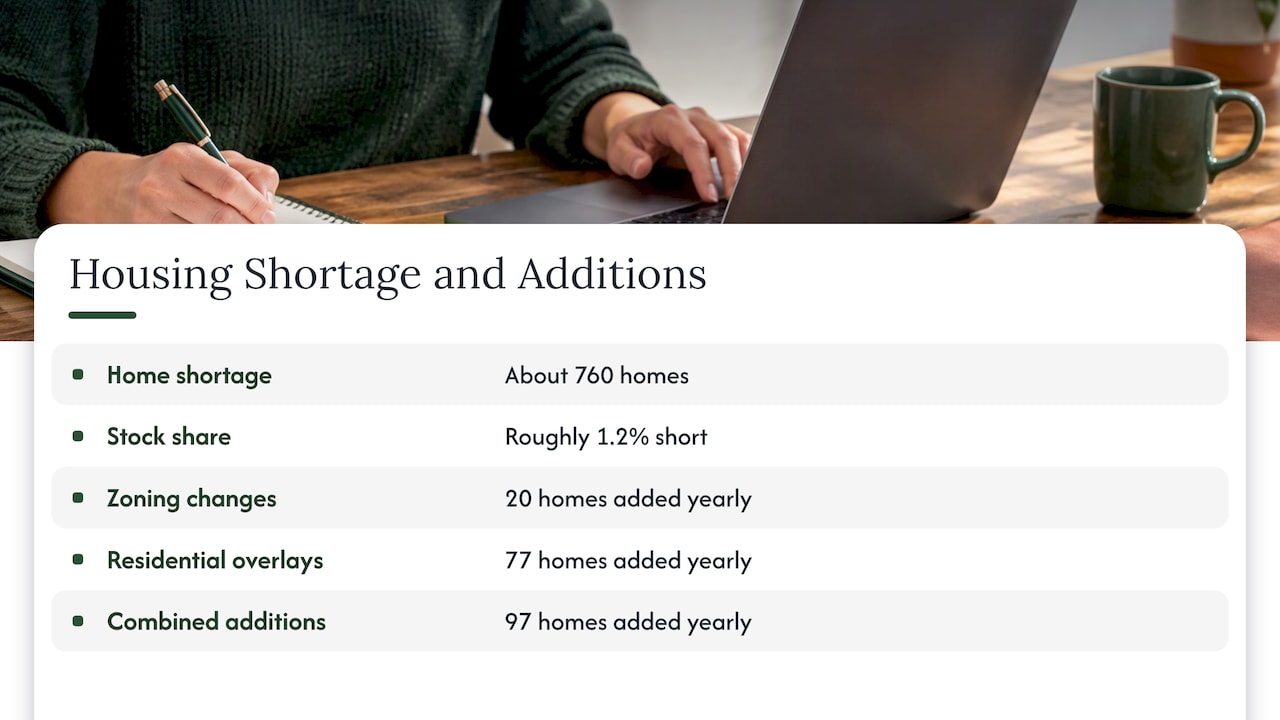
Rising inventory can look like a glut. The longer-term numbers say otherwise. The AEI Housing Center’s March 2026 Augusta MSA playbook estimates the area is short about 760 homes, roughly 1.2% of its housing stock. It projects that looser rules on dwelling types and lot splits could add 20 net homes a year, and residential overlays in suitable nonresidential areas another 77, for 97 combined.
Local need is visible too. The Portland Press Herald reported in December 2023 that state housing data pointed to a need for 870 more affordable units in Augusta, above 1,000 with Gardiner included.
Put together, 2026 looks like a cooling inside a structural shortage. More listings and 58 days on market give buyers leverage on individual homes, but a market that is short of homes does not hand out broad discounts.
What it means for buyers
First-time buyers
The extra inventory is your best development of the year. You can compare more homes, ask for inspection repairs or closing help, and avoid the bidding wars that defined earlier years. Still, a well-priced, move-in-ready home can draw multiple offers; our piece on multiple offers in Maine explains how to compete without overpaying.
Before you shop, test your budget against all housing costs, not just the mortgage. MaineHousing’s data pages compare local median house prices and rents with area incomes while accounting for property taxes, utilities and other costs. Then look at current financing in our Maine mortgage rate update and the cash you need at the table in Maine closing costs for buyers and sellers. We also help buyers compare FHA and conventional loan paths with a lender before they make offers.
Families relocating to Central Maine
Augusta sits at the center of the state, with the capital’s employers nearby and prices below the statewide median. Families often compare it with neighboring towns and with Auburn; see our guides to moving to Augusta and moving to Auburn. Check property taxes by town before you fall for a house; the Maine property tax guide covers the homestead exemption and the rules that apply. Our cost of living in Maine guide shows how the same budget stretches across regions.
If you are choosing between a new build and a resale home, see when new construction beats resale.
What it means for sellers
A 58-day median means the average home is no longer gone in a few weeks. Sellers who do well in this kind of market tend to do four things:
- Price against closed sales and today’s competition. With 484 active listings in the metro, your home is being compared with more alternatives than a year ago.
- Fix the visible problems first. Buyers with time on their hands notice deferred maintenance.
- Be ready for inspection and condo or townhouse document review. Delays at this stage cost more than a small price concession.
- Adjust early. A home that sits for weeks past the local median needs a plan, not just patience.
An asking price that sits above the metro median will not be supported by the median alone. The right number comes from a comparative market analysis of your street, size and condition.
Investors: rent, returns and risks
The public rent data is thinner than the sale data, so use it for direction and verify the figures before you underwrite a deal. Home Market View reports a typical monthly rent of $1,549 in September 2026, up 4.2% from a year earlier; that is a Zillow rent index rather than a median of actual leases. Census-based estimates from MyTownView (2024 ACS five-year data) show a $919 median rent, a $201,000 median home value, 46.2% of homes renter-occupied and 7% vacancy. The gap between the two rent figures is wide, because one tracks asking rents on newer leases and the other tracks all renters, including long-term tenants.
If you want to see how another market’s rent reporting is framed, these rental market trends for 2026 show the kinds of indicators worth tracking: vacancy, rent growth and the cost of financing.
Practical points for Augusta:
- Check the price-to-rent math with current listing prices. A $394,500 median listing price against rents near $1,549 is a very different yield than the older $201,000 ACS home value implies, and the ACS figure reflects owners who bought years ago.
- Expect tenant demand from a large renter share and state-government employment, but verify vacancy on the specific property type.
- Budget for property taxes, insurance and winter heating, which eat into returns more than first-time landlords expect.
- The supply shortage supports rents but does not remove the risk of an extended vacancy.
Our investment property service starts with the numbers on a specific building and a realistic repair and holding-cost estimate.
Downsizing and vacation property
Seniors selling a larger home in the Augusta area are selling into a market with more competition than last year, and that changes the plan. Start by deciding whether you want to buy first or sell first, and ask your lender about bridging options before listing. Condos and townhouses are common destinations, and their documents deserve a careful read: fees, reserves, rules and any pending assessments affect your monthly costs as much as the price. Review them before you make an offer, not after. Check the homestead exemption and how your move changes your tax bill.
Vacation buyers looking at the coast should weigh different things: road access and winter maintenance, seasonal rental rules in the town, insurance and flood exposure, and whether the property can be used year-round. Coastal Maine often prices well above Augusta, so compare against local data, not the Augusta median. For one example of how prices look in a bigger market, see our look at the Portland, Maine housing market.
Our perspective
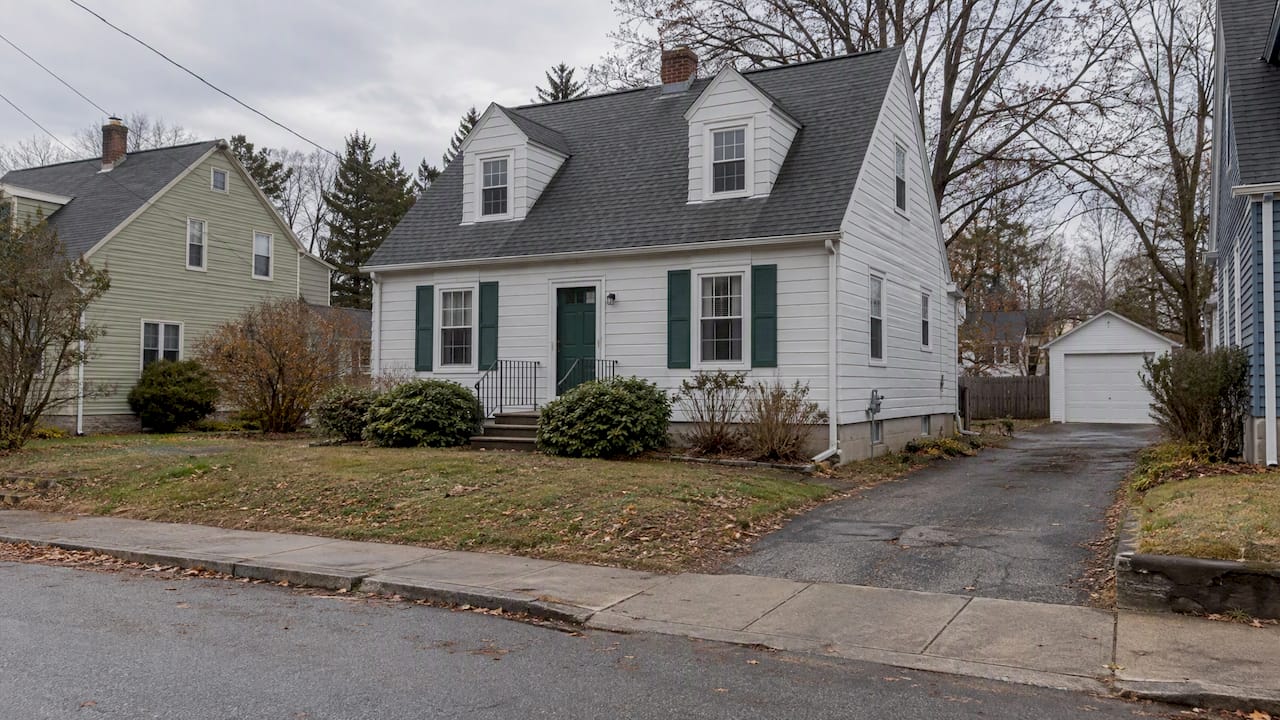
After 20 years in the Maine market, we have learned that medians are a weather report, not a map. The Augusta figure of $394,500 is useful for knowing which way the wind blows. It cannot tell you what a three-bedroom Cape on a quiet street is worth this month.
This fall, we see a market where buyers can finally breathe, and where sellers who price carefully still sell. The mistake we see most is treating the headline number as a promise: sellers who expect last year’s price, and buyers who expect a crash. Neither is supported by the data. Inventory is up, but the region is still short of homes.
We work with clients without pressure, using comparable sales to set a price and negotiate. We answer calls and messages beyond standard hours, because offers do not wait for office hours. If a house is not right for you, we will say so.
— David
Work with a local Realtor
Whether you are buying in Augusta, selling a family home or looking at an investment or seasonal property, we handle the search or listing, pricing strategy, negotiation and paperwork. See our buying, selling, investment and vacation property services and tell us what you need.

A short conversation about your timeline and budget is usually enough to show whether now is the right time to move.
FAQ
Is Augusta, Maine a buyer’s market in 2026?
It is more balanced than it was, and leaning toward buyers. Active listings in Augusta-Waterville rose from 369 to 484 in a year and median days on market went from 53 to 58. Prices have eased only slightly, so negotiation is possible but deep discounts are not typical.
What is the median home price in Augusta, Maine?
The September 2026 median listing price for the Augusta-Waterville metro was $394,500. Census-based estimates show a lower $201,000 median home value, because they reflect what owners say their homes are worth, including homes bought years ago. Listing prices describe what is for sale today.
Will Augusta home prices fall in 2026?
No source we reviewed forecasts a sharp drop. The local median listing price is down about 1.4% from a year earlier, while the state median sale price is up 4.3%. A shortage of roughly 760 homes in the metro also supports prices.
Is Augusta, Maine a good place to buy an investment property?
It can be, but run the numbers on the specific property. Rent estimates range from a $919 census median to a $1,549 typical monthly rent, and purchase prices vary widely by home type. Account for taxes, insurance, heating and vacancy.
Is this about Augusta, Georgia?
No. Many search results for this phrase cover Augusta, GA. This guide covers Augusta, Maine, and the central and southern Maine communities around it.
Sources
- FRED: Inventory Metrics by Geography, Maine (September 2026)
- Bangor Daily News: Maine home sales drop in August despite rising prices
- Maine Association of REALTORS: August 2026 housing report
- CentralMaine.com: How’s Maine’s housing market halfway through the year
- Home Market View: Augusta, ME housing market
- MyTownView: Augusta, Maine demographics
- AEI Housing Center: Augusta MSA playbook
- Portland Press Herald: Augusta Housing seeks to address housing shortage
- MaineHousing: Housing data