
To winterize a vacation home in Maine, you choose one of two strategies and carry it out completely. Either you shut off the water and drain the whole system, or you keep the heat on (never below 55°F) and have someone check the house regularly. Then you seal out rodents, clear the roof and gutters, secure the outside, and confirm your insurance matches how you left the place. Maine’s own agencies point to the same two options, and the details below are where most owners slip.
If it’s late October as you read this and the camp is still open, don’t wait. Central and coastal Maine can see sub-freezing nights early in the month, so the sooner you close, the better.
TL;DR
- Pick one plan: drain the water system fully, or keep heat at 55°F or higher with daily or regular checks. Half measures cause burst pipes.
- At a Maine camp, drain the plumbing and skip the antifreeze. Maine DEP says it is toxic and can reach groundwater and lakes.
- Remove food, seal gaps, clear gutters, trim branches, secure boats and furniture.
- Read your insurance policy’s vacancy and freeze language before you leave, not after a claim.
- Arrange someone to look inside the house during the winter, and make sure plows and emergency crews can reach it.
Table of Contents
- When to start closing a Maine vacation home
- Decide first: drain the system or keep the heat on
- Drain the plumbing the right way
- If you leave the water on
- Heat, power and appliances
- Roof, gutters and the exterior
- Food, mice and squirrels
- Maine-specific issues: lakes, septic, docks and coast
- Insurance: read the vacancy clause
- Who checks the house during winter
- Our perspective
- Thinking of buying or selling a seasonal property?
- FAQ
- Sources
When to start closing a Maine vacation home
The best window is early fall. A Maine restoration company’s guide says Central and Midcoast Maine can drop below freezing as early as October, and it suggests closing by early to mid-October, before the first hard frost. Mild weather also means you can safely get on the roof, inspect flashing and fix things before access gets difficult.
If you want a broader reminder of why early-fall repairs matter on any seasonal property, this seasonal home repair checklist covers the logic of finishing repairs before winter arrives.
A workable timeline:
- Six to eight weeks out: book your plumber, chimney sweep and any roofer. Good ones fill up in fall.
- Three to four weeks out: do the roof, gutter, tree and shoreline inspection while the weather is easy.
- Closing week: drain the plumbing, empty the fridge, seal openings, secure the exterior.
- Last day: walk through with a written checklist, take photos, and lock up.
Decide first: drain the system or keep the heat on
This choice shapes everything else. The Maine Emergency Management Agency says that when you’re away in cold weather, you should either have someone check the house daily while heat stays at 55°F or above, or drain and shut off the water system. Outdoor-faucet supply lines should be shut off and drained either way.
| Drain the system | Keep heat on | |
|---|---|---|
| Best for | Camps, cottages, homes empty for months | Year-round-style homes you visit now and then |
| Main risk | A missed low point holds water and freezes | Power outage or furnace failure with nobody there |
| Ongoing need | Periodic visual checks | Frequent checks, ideally with sensors and alerts |
| Water at the property | Off | On |
For an extended absence, one Massachusetts insurer’s guidance says shutting off the water and draining the lines is the best protection. A multi-day power outage can undo a heat-only plan. A Portland, Maine broker quoted in Boston.com warns that even heated homes need monitoring for exactly that reason.
Drain the plumbing the right way
The core steps, in order:
- Turn off the main shutoff. Know where it is before you need it in an emergency.
- Open every faucet, hot and cold, including outdoor spigots, tubs and showers, so water can leave the lines.
- Drain the water heater. If it’s gas, set it to vacation mode or shut off the gas, per the Safety Insurance guidance.
- Flush toilets and empty the tanks and bowls. A designer-quoted broker in the Boston.com piece notes that water left in a toilet can crack the fixture.
- Drain the water softener, ice maker, irrigation, outdoor shower and hoses. One New England checklist specifically lists draining the refrigerator’s icemaker and water supply.
- Blow out the lines. A specialist quoted by Boston.com recommends using an air compressor to push water from supply pipes and drains, and to drain any unused heating system.
If you’re not sure you can do step 6 safely and completely, hire a licensed plumber. It’s usually cheaper than a burst line.
Why Maine camps should skip plumbing antifreeze
Many owners from other states reach for pink antifreeze. At a Maine camp, the state’s environmental agency says to drain the water system completely and not use antifreeze in plumbing. It is toxic and can threaten groundwater, surface water and pets, and thorough draining makes it unnecessary. That matters most on a lake or pond lot, and on a property with a well or septic system close to the water.
Don’t forget the sprinkler system
If the house has a fire-protection sprinkler system, shutting off domestic water also turns it off. The Safety Insurance guidance warns that you must handle that system separately. Talk to the installer or your insurer before you leave.
If you leave the water on
Some owners keep the house live because they visit in winter or can’t shut down a complex system. Then:
- Keep the thermostat at 55°F or higher. Maine’s emergency agency and PIA Northeast both give that number as the floor.
- Insulate exposed pipes in garages, basements, crawl spaces and attics. Use heat tape only as the manufacturer directs.
- Consider a leak sensor, a temperature alert and fixture shutoffs. A phone alert at 45°F is worth more than a heating bill saved.
- Shut off the water-softener supply and individual fixture supplies.
- Have a plan for who goes in when the alert fires. An alert nobody can answer is just a notification.
The stakes are real. Maine’s emergency agency says a 1/8-inch crack can release up to 250 gallons of water a day. If a pipe does freeze, shut off the main, never thaw it with a torch or open flame, and call a plumber and your insurer.
Heat, power and appliances
Beyond water, spend an hour on the electrical and mechanical side:
- Make sure the sump pump works, if you have one.
- Unplug nonessential electronics and don’t leave appliances running.
- Have the furnace or boiler serviced before the season if the heat will stay on.
- Clean out the refrigerator, unplug it and leave the door slightly open, as the Boston.com checklist advises.
- Have the wood stove or fireplace chimney cleaned and inspected. The Maine restoration guide lists this among its pre-winter roof and chimney checks.
Roof, gutters and the exterior
Maine snow load and wind find every weakness. Before you leave:
- Clear gutters and downspouts so meltwater doesn’t back up and form ice dams.
- Inspect shingles and flashing. Fix loose pieces now.
- Remove weak or dead branches that could fall on the roof.
- Secure or store outdoor furniture, grills and kayaks.
- Lock windows and doors, and consider timers or smart lighting so the house doesn’t look empty.
- Confirm that a plow driver and emergency vehicles can get to the driveway.
Food, mice and squirrels
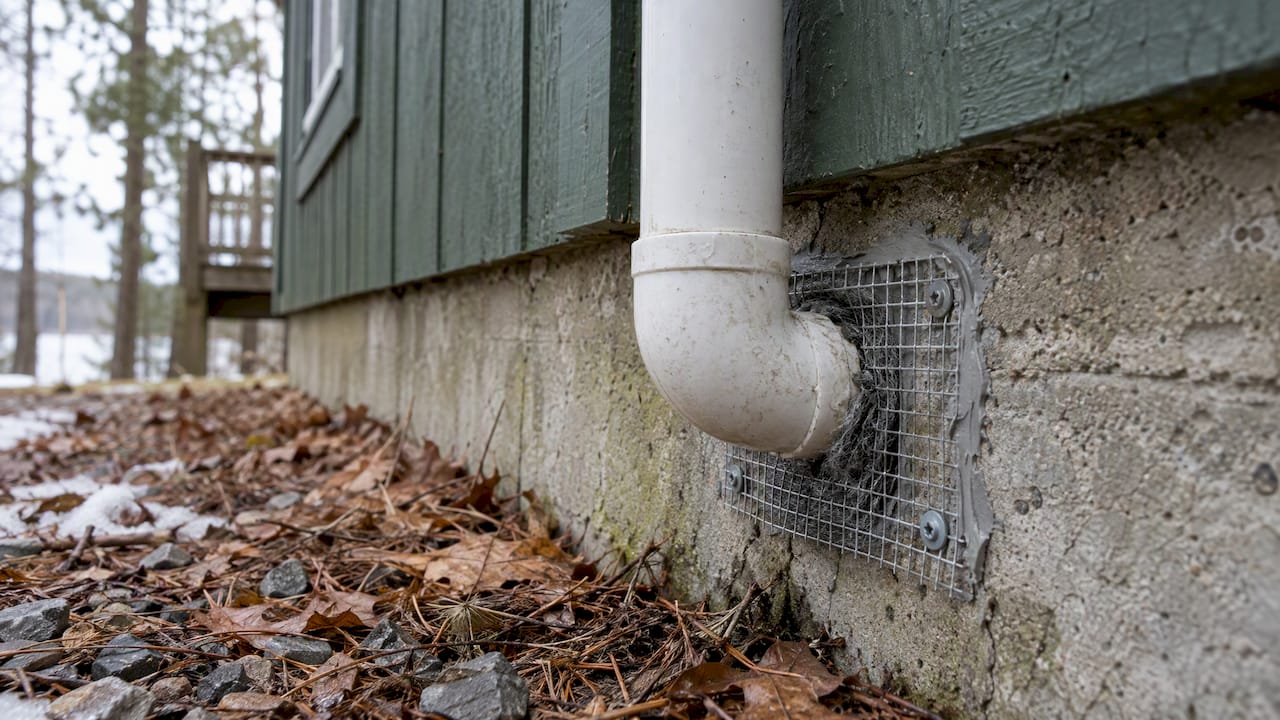
An empty house is an invitation. Maine DEP’s closing guidance says to remove food and inspect the camp inside and outside for openings that could admit mice or squirrels, rather than relying on pesticides or poison. Check around pipe penetrations, soffits, door sweeps, vents and the foundation line. Steel wool or hardware cloth and sealant work better than a trap line you can’t service all winter.
Maine-specific issues: lakes, septic, docks and coast
Lakefront and camp properties
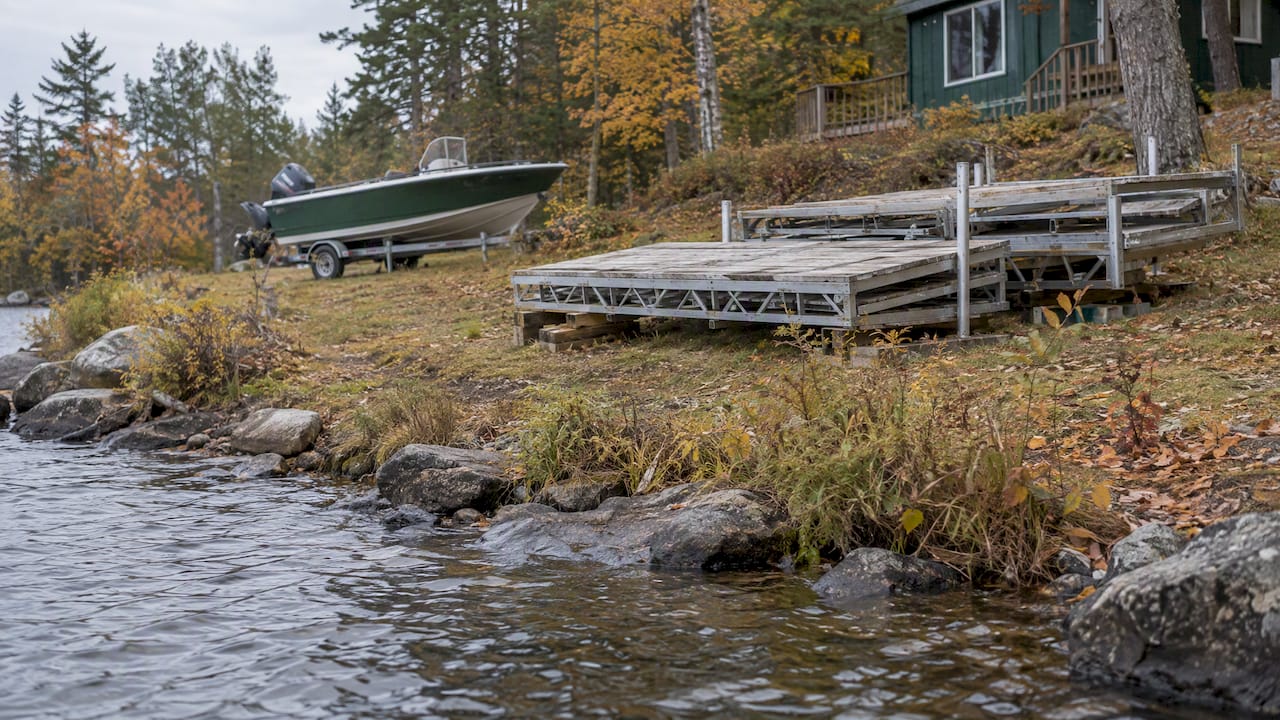
Maine DEP recommends removing docks and boats from the water and storing them where they won’t kill vegetation. Use fuel stabilizer rather than draining gasoline from motors and power equipment. Do fuel, oil and boat washing away from the water. Walk the shoreline and landscaped areas for erosion before snow covers them. Work beyond minor shoreline maintenance can require a permit, so check before you hire anyone. If you’re planning cleanup or shoreline work, a waterfront maintenance and cleanup service can explain what’s involved, and our guide to shoreland zoning checks explains where local rules come in.
Septic systems
Maine DEP’s camp-owner page says septic tanks should generally be pumped every 2 to 3 years for year-round homes and every 4 to 5 years for seasonal ones. Closing season is a sensible time to check your pumping record. If you’re buying a camp, our article on septic, permits and access for Maine camps covers what to verify up front.
Coastal homes
Salt air, storm surge, flooding and difficult winter access raise the stakes on the coast. Safety Insurance specifically flags coastal and flood-plain coverage needs. Standard homeowners policies often don’t cover flooding, so ask your agent. If you’re still weighing a coastal purchase, see our notes on checking FEMA maps before you buy.
Insurance: read the vacancy clause
This is the part owners skip. A 2013 Massachusetts Appeals Court decision explains that a policy can exclude freezing damage in a vacant or unoccupied dwelling unless the owner used reasonable care to maintain heat or to shut off and drain the system. That’s a Massachusetts case, and your Maine policy’s wording governs, but the pattern is common in the industry. Call your agent and ask:
- How long can the house sit empty before vacancy or unoccupancy terms apply?
- What must I do to count as using reasonable care?
- Are detached structures, heating equipment breakdown and liability covered?
PIA Northeast recommends an annual pre-winter insurance review that covers exclusions, detached structures, equipment breakdown and added liability. Write down what you did to close the house and keep dated photos.
Who checks the house during winter
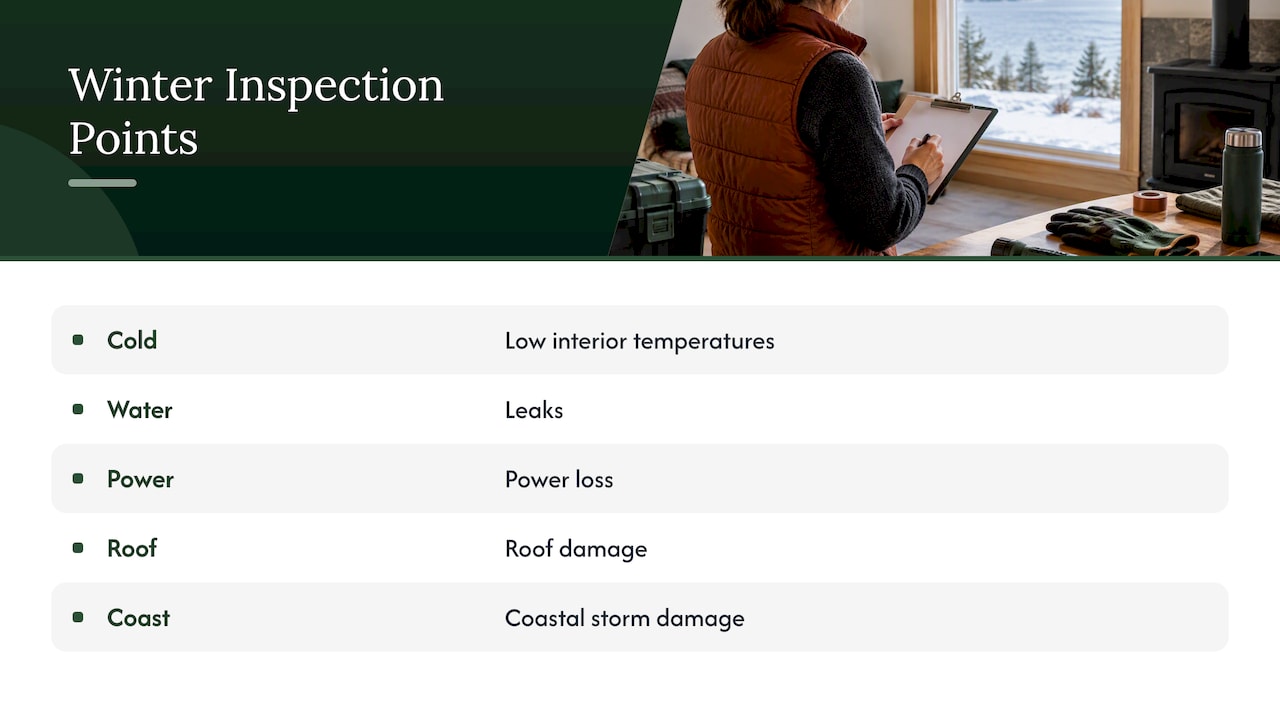
Winterizing doesn’t end when you lock the door. Plan interior checks at a steady interval, and know what the checker looks for: low temperatures, leaks, power loss, roof damage or coastal storm damage. Options include a trusted neighbor, a caretaker or a paid home watch service. Give the person your plumber’s number, your insurer’s claim line and the main shutoff location, and ask them for dated notes or photos.
If the house is unheated and you’re unsure how to close it, the Boston.com broker’s advice is simple: hire a professional.
Our perspective
We’ve worked with Maine buyers and sellers for 20 years, and the vacation homes that cause the most grief are rarely the ones with a big hidden defect. They’re the ones nobody closed properly. A missed drain point, a camp with no one assigned to check it, a policy nobody read: those are the surprises that show up in spring.
For owners, we’d say treat winterizing as a written procedure, not a memory. Keep one page in a drawer at the house that lists the shutoff, the drain steps, your plumber, your insurer and your caretaker. It also helps if you sell later. Buyers and inspectors notice a property that has been cared for, and a documented history can calm a negotiation. For buyers, ask sellers how the house was closed and opened each year, and what the inspection report says about plumbing and septic. Our home inspection checklist for Maine buyers shows what to look at.
— David
Thinking of buying or selling a seasonal property?
If this checklist made you rethink the cost of carrying a second home, or you’re looking at a camp or coastal property and want to understand what winter will demand of it, we can help. We represent buyers and sellers across central and southern Maine, including vacation and seasonal properties. See our buying, selling and vacation property services and reach out to talk it through.
FAQ
How do you winterize a vacation house in Maine?
Shut off the main water, open all faucets, drain the water heater, flush toilets and drain appliances, then blow out the lines if you can do it properly. Remove food, seal gaps against rodents, clear gutters and secure the exterior. If you keep the water on, hold the heat at 55°F or higher and arrange regular checks.
Should I use antifreeze in my camp’s plumbing?
Maine DEP advises against it at Maine camps because it is toxic and can threaten groundwater, surface water and pets. Complete draining should make it unnecessary. If you can’t be sure you’ve drained every low point, have a plumber do it.
Is 55°F enough to keep pipes from freezing?
Maine’s emergency agency and insurance groups give 55°F as the lowest recommended setting when the water stays on. It only works if the power and furnace keep running, which is why checks or sensors matter in a long Maine cold snap.
When should I winterize a Maine vacation home?
Early fall, ideally by early to mid-October in central and coastal areas, before the first hard frost. If you’re past that, close as soon as you can and watch the forecast for overnight lows.
Sources
- Maine DEP: Information for Camp Owners
- Maine DEP media release on closing camp
- Maine Emergency Management Agency: Preventing or Thawing Frozen Water Pipes
- Boston.com: Expert advice on winterizing a New England vacation home
- Safety Insurance: Is Your Home Alone?
- PIA Northeast: Frozen pipes, ice dams and liability claims
- Chow v. Merrimack Mutual Fire Insurance, 83 Mass. App. Ct. (2013)
- Octagon Restoration: Winterizing a camp or cabin in Central and Midcoast Maine
- Deland Gibson Insurance: Closing Your Summer Home