Price at or slightly below the competitive median for your county if inventory is rising, and lean toward median-plus only if your property has scarce waterfront frontage or sits in a high-demand coastal area like York County. Before you set a number, pull two figures: your county’s median sales price and current months of supply. Then request a local comparative market analysis or line up three recent closed sales nearby.
TL;DR:
- Maine’s August 2026 median was $424,550, up about 4.31% year over year, while closed sales fell roughly 10%, suggesting slower buyer activity, not falling prices.
- Match comps by town and property type; seasonal cottages need seasonal sales, while rural markets may require looking back 90 to 120 days.
- The FHFA index tracks repeat sales, while monthly medians reflect which homes sold; compare both to separate lasting appreciation from a changing sales mix.
- About 30% of purchase appraisals land exactly at contract price; lenders rely on appraisals, so give appraisers comps and improvement records.
Table of Contents
- Current Maine Housing Market Snapshot and County Variations
- How Today’s Prices Compare to Maine’s Longer-Term Trend
- A Step-by-Step CMA Process for Pricing Your Maine Home
- Maine Transfer Tax and Closing Costs Sellers Should Budget
- How Appraisals and AVMs Shape Your Final Sale Price
- Pre-Listing Checklist to Align Your Home With Your Price
- A Maine REALTOR®’s View on Pricing With Data and Local Knowledge
- How RealtorMaine Helps You Price and Sell With Confidence
- FAQ
- Sources
Current Maine Housing Market Snapshot and County Variations
Maine’s statewide housing market in August 2026 shows a classic mixed signal: prices are still climbing, but fewer homes are changing hands. The Maine Association of REALTORS® housing report put the statewide median sales price at $424,550 for August 2026, up about 4.31% year over year, while closed sales volume fell roughly 10% over the same period.
That gap between rising prices and falling sales volume usually means buyers are more selective and inventory is loosening from the ultra-tight conditions of recent years. When months of supply climbs, sellers lose some pricing leverage and need sharper comps to justify an asking price.
County-level differences matter more than the statewide number:
- York County tends to carry a premium tied to coastal access, southern Maine commuting distance to Portsmouth and Boston, and vacation-home demand.
- Cumberland County, anchored by Portland, holds strong year-round demand from buyers who want urban amenities with shorter commutes.
- Penobscot County, centered on Bangor, trades at a discount to coastal counties, reflecting lower average household incomes and less tourism pressure on housing stock.
August 2026’s statewide median sales price was $424,550, showing an increase compared to the previous year, according to the Maine Association of REALTORS®. That single figure tells you the statewide direction, but your town’s actual comps decide your number.
How Today’s Prices Compare to Maine’s Longer-Term Trend
A single month of data never tells the whole story. The FHFA House Price Index tracks Maine home values over decades, and the long-run series shows sustained appreciation rather than a short-lived spike, which helps sellers judge whether today’s price is a fair reflection of real value or a seasonal blip.
The distinction between an index and a local median matters:
- The HPI measures repeat sales of the same properties over time, filtering out changes in the mix of what sold.
- A median sales price reflects whatever happened to sell that month or quarter, which can shift with the types of homes on the market.
- Reading both together tells you whether a county’s median move is a real trend or just a temporary change in what kind of homes transacted.
When the HPI trend is clearly upward and your local median confirms it, pricing toward the higher end of your CMA range is defensible. When the index shows a flattening or your local median has been volatile, price conservatively and let early buyer interest set the tone for any adjustment.
A Step-by-Step CMA Process for Pricing Your Maine Home
A comparative market analysis built for Maine’s property mix, waterfront camps, seasonal cottages, rural acreage, and in-town houses, needs more adjustment layers than a typical suburban CMA.
- Define your true market. Narrow comps to your town or a tight radius, and separate waterfront from non-waterfront properties since buyers shop these as different categories entirely.
- Pull closed comps and active listings. Use a 30 to 60-day window in fast-moving markets like Cumberland County, or widen to 90 to 120 days in slower rural counties where sales are thinner.
- Adjust for condition and features. Factor square footage, lot size, waterfront frontage (often priced by the front-foot in coastal markets), septic and well condition, and whether the home is seasonal or year-round.
- Set a three-point price band. A quick-sale price undercuts the market to generate multiple offers fast, a probable-market price matches your strongest comps, and an aspirational price tests the top of demand for homes with scarce features.
- Watch early signals and set triggers in advance. Decide before listing how many days of low showing traffic or how many weeks without an offer will trigger a price cut, rather than reacting emotionally once the listing is live.
Pro Tip: Price a seasonal cottage against other seasonal sales only, since year-round buyers and vacation buyers value features like insulation and heating systems very differently.
For sellers who want a second framework for building adjustment logic, the guide on setting a defensible list price walks through comparable adjustment math in more detail.
Maine Transfer Tax and Closing Costs Sellers Should Budget
Maine charges a statutory transfer tax on real estate sales, and it changed in late 2025. The Maine Revenue Services transfer tax page confirms the base rate is $2.20 per $500 of value, with an additional $3.80 per $500 applying to the portion of a sale price above $1,000,000, effective November 1, 2025. The tax is typically split equally between buyer and seller.
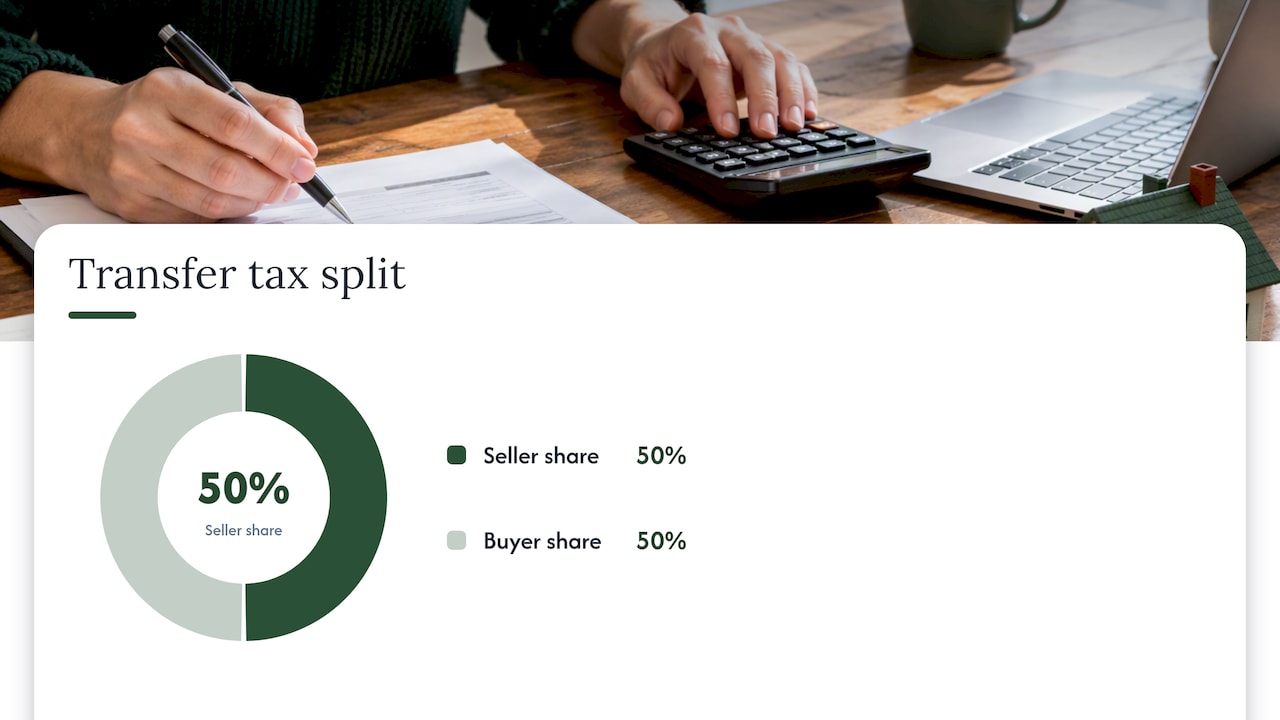
Maine’s transfer tax runs $2.20 per $500 of sale value, split 50/50 between buyer and seller, per Maine Revenue Services. On a home priced near the statewide median of August 2026, the total tax would be calculated accordingly, usually split equally between buyer and seller.
Beyond the transfer tax, sellers should plan for:
- Title insurance and closing agent fees, which vary by provider and property value.
- Prorated property taxes owed through the closing date.
- Any seller-paid concessions negotiated to close the deal.
Our guide to Maine closing costs breaks down typical seller costs in the $6,600 to $13,400 range for more context, and our overview of Maine property taxes explains how municipal assessed value differs from market value and how homestead exemptions factor into a seller’s math.
How Appraisals and AVMs Shape Your Final Sale Price
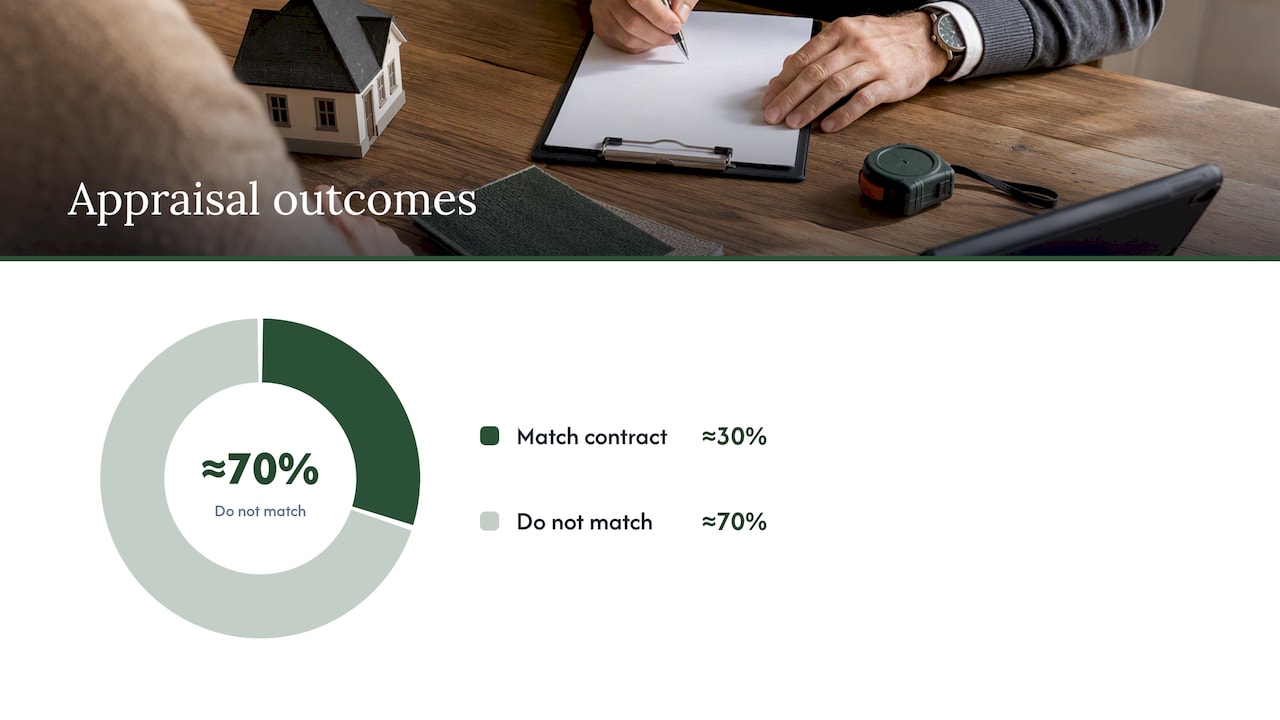
Once you accept an offer, the appraisal becomes the next hurdle. Research on home purchase appraisals found that a notable share, around 30%, land exactly at the contract price, which suggests appraisers often anchor toward the agreed number rather than working from comps alone, according to the CFPB-published study on appraisal information losses.
A few things to keep in mind:
- Automated valuation models pull from broader data sets and often miss local nuance like waterfront frontage or a recently renovated kitchen.
- Lenders rely on the appraisal, not the AVM, to approve financing, so a gap between the two can stall a closing.
- Sellers who prepare a comp packet for the appraiser and document recent improvements reduce the odds of a surprise low valuation.
Pro Tip: Complete small, visible repairs before the appraisal appointment. A loose railing or unpainted trim can nudge a borderline appraisal in the wrong direction.
Our comparison of Zestimates and appraisals walks through three steps Maine homeowners use when the two numbers don’t match.
Pre-Listing Checklist to Align Your Home With Your Price
A strong price needs a home that visually matches it. This short sequence covers the moves that matter most before you go live.
- Book professional photos. Listings with sharp, well-lit photography consistently draw more online views.
- Freshen visible rooms. A coat of paint in the kitchen, living room, and primary bedroom costs little and changes first impressions.
- Build a clean comp packet. Hand your agent (or appraiser) a tight set of comparable sales so the pricing story is obvious.
- Use pricing psychology carefully. Listing just under a round number, say $399,900 instead of $400,000, tends to capture more search traffic.
- Time around Maine’s seasons. Vacation and waterfront properties attract the most attention in late spring through summer, while winter listings often sit longer regardless of price.
A Maine REALTOR®’s View on Pricing With Data and Local Knowledge
Twenty years of pricing homes across central and southern Maine has taught me that the spreadsheet gets you close, but local knowledge closes the gap. A statewide median or a county average can’t tell you that a particular cove commands a frontage premium, or that a certain school district quietly adds value that comps three towns over won’t show.
I’ve guided more than 50 home sales using exactly this blend: current county data, historical HPI context, and the kind of granular read on buyer behavior that only comes from being in these neighborhoods repeatedly. If you want a pricing recommendation built on your specific property rather than a generic estimate, a personalized CMA is the fastest way to get there.
— David
How RealtorMaine Helps You Price and Sell With Confidence
Setting the right price takes more than a market report, it takes someone who can read your specific street, your specific buyer pool, and your specific timeline. We offer a full pricing and selling process built around exactly that kind of local read.

When you work with us on Selling My Home, you get:
- A comparative market analysis tuned to your town, property type, and recent closed sales.
- Marketing and negotiation support designed to protect your net proceeds, not just your list price.
- Closing coordination that keeps transfer tax, prorations, and paperwork on track.
An initial consult covers a review of your home against current data, a realistic timeline for your market, and a pricing recommendation you can act on immediately. Schedule a CMA with us and get a number built for your property, not a statewide average.
FAQ
How much does it cost to live in Maine?
Cost of living in Maine varies widely by county, with housing as the biggest factor: coastal counties like York carry a premium, while inland counties like Penobscot run lower. Beyond housing, Maine residents also budget for property taxes, heating costs tied to the state’s cold winters, and generally moderate grocery and utility costs compared to larger East Coast metro areas.
How much does it cost to build a 2,000 square foot home in Maine?
Build costs in Maine depend heavily on lot condition, foundation type, and finish level, and no single statewide figure applies evenly across counties. Sellers and buyers comparing new construction to resale should request current builder quotes rather than relying on a general estimate, since labor and material costs shift by region and season.
Is moving to Maine a good idea?
Moving to Maine suits people who value coastal access, four-season outdoor recreation, and a mix of small-town and city living through Portland. Whether it’s the right move depends on your work situation, tolerance for winter weather, and which county fits your budget and lifestyle.
Are real estate prices dropping in Maine?
Statewide, prices were still rising as of August 2026, with the median sales price up about 4.31% year over year even as closed sales volume fell around 10%, according to the Maine Association of REALTORS®. That combination, higher prices with fewer transactions, suggests a cooling pace rather than an outright price decline, though individual counties can move differently.
How does the Maine homestead exemption affect my home’s value for taxes?
The Maine homestead exemption reduces the taxable just value of a primary residence, which lowers your property tax bill rather than your home’s market value. Our guide to the homestead exemption explains the application deadline and savings in detail.
Sources
- Maine Revenue Services — Transfer tax
- Maine Housing Report — Maine Association of REALTORS® (August 2026)
- FHFA — House Price Index data
- Information Losses in Home Purchase Appraisals (CFPB / academic paper)