

A fixer-upper is only a bargain if the repair bill, the loan and the finished value all work out on paper before you offer. The discount is easy to see. The cost of the work is not, and that gap is where first-time buyers, investors and downsizers lose money. As a Maine REALTOR® with 20 years in the central and southern Maine market, I help buyers price the house, the repairs and the resale value together, so the number you offer is one you can defend.
TL;DR
- A fixer-upper trades a lower price for work and risk. Cosmetic jobs (paint, floors, fixtures) are manageable. Water damage, foundation, wiring and roof problems are what turn a deal sour.
- Get a full inspection and at least one contractor bid before you commit, then add a contingency of 10% to 20% on top of the bids.
- A single FHA 203(k) loan can cover the purchase and the rehab together, and permits must be pulled before work starts.
- Value the home as it will be after repairs, using comparable sales that were renovated like yours, not unrenovated ones.
- If repairs plus contingency approach what the finished home is worth, renegotiate or walk away.
Table of Contents
- What counts as a fixer-upper
- Cosmetic work versus the problems that cost real money
- Pricing the work before you price the house
- Value the finished home honestly
- Inspections, records and permits to check
- Financing a house that needs work
- Living through the work
- When to walk away
- Which buyers do well with a fixer-upper
- Work with a Maine agent on your fixer-upper
- FAQ
- Sources
What counts as a fixer-upper
A fixer-upper is a home sold at a lower price because it needs significant maintenance, repairs or remodeling, usually structural, cosmetic or both. The appeal is real: a lower price and down payment, less competition from multiple bidders, and the freedom to choose materials, designs and contractors on your own schedule.
The risks are just as real: budgets that surprise you, problems that appear after the inspection, and living in a construction zone if you move in during the work. For a young family relocating to central Maine, a retiree downsizing, or someone eyeing a coastal getaway, the question is the same: does the total cost leave you better off than a move-in-ready home would?
Cosmetic work versus the problems that cost real money
The most useful sorting you can do is separating what changes how a house looks from what changes how it works.
Cosmetic items include dated kitchens and bathrooms, worn flooring, old fixtures, peeling paint and overgrown landscaping. These are often affordable and give a good return. They are also not worth spending negotiating leverage on: most inspection reports contain far more cosmetic findings than structural ones, a point made in this inspection-triage framework.
Serious items are the ones that need licensed specialists and can escalate:
- Foundation movement
- An aging or failing roof
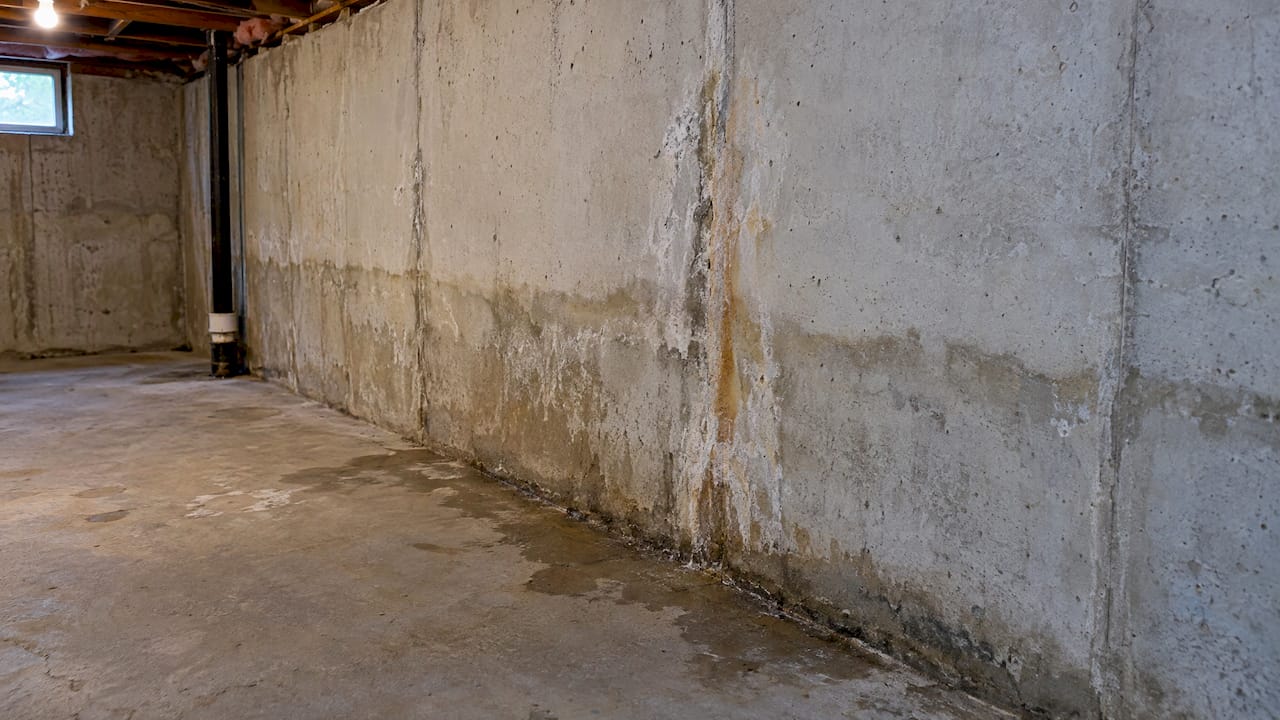
- Water intrusion, rot or mold
- Outdated electrical panels or wiring
- Failing plumbing
- A heating system at the end of its life
- Lead paint or asbestos
The same framework suggests four questions for any finding: does it carry load, does it keep water out, is it a safety system, and is it getting worse? Water is usually the costly one, because rot, mold, pests and foundation movement follow it. A cracked furnace heat exchanger is a carbon monoxide risk, so safety systems count as serious however small the defect looks.
In Maine, many homes are older, so lead paint deserves a specific look. Our guide to Maine lead paint rules and the 10-day inspection right covers what applies in a transaction.
Pricing the work before you price the house
The number that matters is the purchase price plus the repair cost plus a cushion, compared with what the finished home would be worth.
Rough renovation ranges
Published per-square-foot figures vary by source and region, so treat them as a screening tool, not a quote:
| Scope | One published range | Another published range |
|---|---|---|
| Light cosmetic | $15 to $40 per sq ft | $10 to $20 per sq ft |
| Heavy rehab or full gut | $40 to $80 per sq ft | $35 to $60 per sq ft |
On a 1,200 square foot house, the first source puts a light refresh at $18,000 to $48,000 and a full gut at $48,000 to $96,000. The spread between sources is the lesson: only a contractor standing in the actual house can tell you what your project costs. That same source advises collecting three contractor bids before you buy.
Contingency and hidden costs
Budget for what you cannot see. Recommendations include a 20% cushion on the renovation, or 10% to 15% plus an extra month on the timeline. Typical hidden costs include upgrades to meet municipal building codes, full electrical or plumbing overhauls, pests or mold, hidden structural issues and temporary housing if you cannot live there during the work.
A worked example
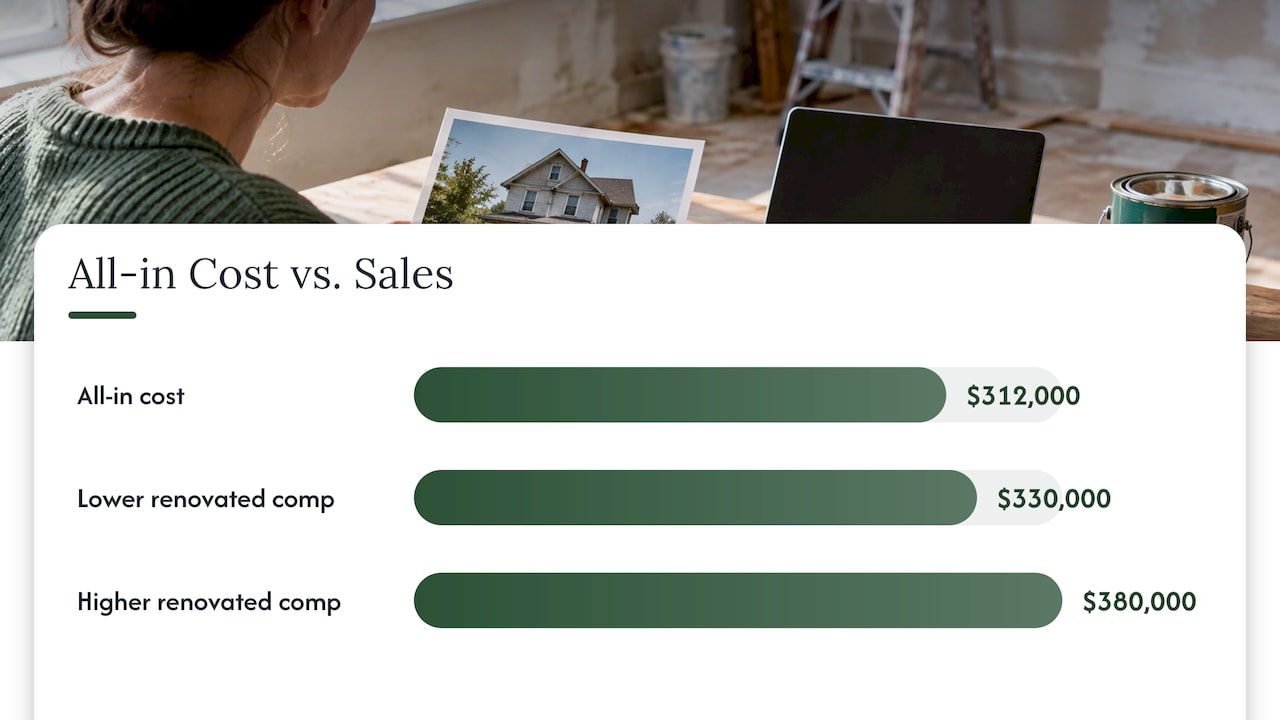
Say a house lists at $240,000 and needs a heavy refresh. Your contractor bids $60,000. A 20% contingency adds $12,000, so plan on $72,000 of work. Your all-in cost is $312,000 before closing costs and any rent while you wait. If comparable renovated homes nearby sold around $330,000, you have a thin margin for error. If they sold at $380,000, you have a real opportunity. Everything depends on those comparable sales, which is why I build a comparative market analysis before an offer rather than after.
Value the finished home honestly
The after-repair value is where optimistic buyers go wrong. One investor guide shows that a 5% overestimate on a $260,000 property erases $13,000 of equity, and appraisers rely on sold data, not your taste in finishes. Another notes the most common source of inflated values is mixing renovated and unrenovated comparables: a house that sold in rough shape is not a comp for one that sold fully redone, even next door.
If the deal only works in the best-case scenario after you add contingency and delay, it is not a deal yet. For your own home, our Maine home valuation page shows how we approach value in a local market.
Inspections, records and permits to check
Before you make an offer, or at the latest during your inspection period, work through this list.
- Full home inspection. Cover the foundation, roof, plumbing and electrical system, then bring in a contractor for a written quote that includes labor, materials and permit fees.
- Specialist follow-ups. Where the inspector flags something, a licensed electrician, plumber, HVAC technician or structural engineer can size the problem. A state real estate commission’s due diligence brochure recommends this for renovated homes and additions.
- Permit history. Ask for permit numbers, contractor invoices, final approvals and certificates of occupancy. Painting and flooring usually need no permit, but work touching safety, structure or utilities often does.
- Unpermitted work. If you find it, a licensed contractor can identify code violations and estimate correction costs, and the local building department can explain whether a retroactive permit is possible.
- Well and septic. For a rural or coastal property, the same brochure advises a water quality test for wells and a review of the septic permit to confirm bedroom capacity.
Timing matters as much as the checklist. Inspection periods are short, so line up your inspector before you write the offer. Our guides on vetting Maine home inspectors, the Maine home inspection checklist and inspection contingency deadlines walk through the process.
Financing a house that needs work
A standard mortgage on a house in poor condition can be hard to close, and cash for repairs after closing is a second problem. Renovation loans solve both.
HUD explains that the FHA 203(k) program lets you finance the purchase and the rehabilitation in one loan through an FHA-approved lender, based on the appraised value after improvements. Key points from HUD:
- Standard 203(k): for major rehabilitation, with a $5,000 minimum and no maximum renovation cost.
- Limited 203(k): for non-structural work up to $35,000, with no minimum.
- Permits: building permits must be obtained before work begins.
Lenders add their own conditions. One lender’s published guidelines call for a 10% to 20% contingency reserve, work starting within 30 days of closing, and completion within 9 months for Limited or 12 months for Standard. A payment reserve is permitted if you must move out during the work.
Other options include Fannie Mae HomeStyle and Freddie Mac CHOICERenovation loans. FHA options typically have more lenient eligibility but lower maximums that vary by location. I guide buyers through FHA and conventional financing, and our comparison of when 3.5% down FHA beats conventional is a good place to start. If the property is a condo or townhouse, see our FHA condo approval checklist and the townhouse versus condo documents.
Living through the work
If you plan to stay in the house, decide early which rooms must be usable and what the timeline really is. Dust, noise and lost kitchens wear on families, and some jobs, like sanding floors, mean leaving for a few days. Planning around floor refinishing shows how the finish you choose changes how long you are out. Build temporary housing into the budget from day one.
When to walk away
A common view among buyer advisers is to reconsider price and scope, or leave, when you see significant structural movement flagged by an engineer, extensive mold or water intrusion with an unclear source, several major systems failing at once, environmental hazards needing specialized remediation, or total repair cost plus contingency approaching the finished value. Walking away from a house is not a failed search. It is the result of doing the numbers first.
For some buyers the better answer is a home that needs little work. Our piece on when new construction beats resale covers that trade-off.
Which buyers do well with a fixer-upper
- First-time buyers gain most from a limited, cosmetic project and a single renovation loan, with a cash reserve for surprises.
- Investors should run the numbers on conservative after-repair value and a contingency.
- Relocating families need a realistic timeline, since you may be renting or living elsewhere while the work happens.
- Seniors downsizing often do best with a smaller home needing only light updates.
- Vacation buyers on the coast should weigh well, septic and seasonal access before the cosmetic wish list.
Our view: the offer is the last step, not the first
Most fixer-upper regrets come from the order of operations. Buyers fall for the house, make an offer, and only then learn the roof is near the end of its life. We work the other way around. We start with comparable sales, line up the inspection and contractor visit, and decide what a fair price looks like given the repairs. Then we write the offer.
That approach comes from 20 years in Maine real estate and a data-driven approach to pricing and negotiation. A transparent process without pressure means you hear it plainly if the numbers do not work, and you hear it plainly if they do. And because we are available beyond standard hours, you can reach us when an inspection report lands on a Friday night.
David
Work with a Maine agent on your fixer-upper
If you are looking at a house that needs work in central or southern Maine, I can help with the home search, a comparative market analysis, pricing strategy, negotiation and guidance on FHA and conventional financing, for first-time buyers, relocators, investors, seniors and vacation property seekers alike. Start on the Buying a Home in Maine page and tell me about the property you are considering.

FAQ
Is it better to buy a fixer-upper?
It depends on the gap between the price and the real cost of the work. Fixer-uppers usually sell at a discount, but repairs, contingency and time living in a project all count. If the total, including a 10% to 20% cushion, leaves you well under the value of comparable renovated homes, it can be a good move.
What should I know before buying a house that needs repairs?
Get a full inspection, a contractor bid and the permit history before you commit. Separate cosmetic work from structural, water and safety-system problems. Then confirm how you will pay, since a renovation loan can fold repairs into the mortgage.
How much contingency should I add?
Published guidance ranges from 10% to 20% of renovation costs, and the FHA 203(k) guidelines of one lender require 10% to 20%, with 15% as the minimum for homes with utilities off or water, mold or fire damage. Heavier or older projects deserve the higher end.
Can I finance the repairs with the purchase?
Yes. The FHA 203(k) program lets you finance the purchase and rehabilitation in one loan through an FHA-approved lender. Fannie Mae HomeStyle and Freddie Mac CHOICERenovation are conventional alternatives. Ask a lender about limits for your area.
Sources
- Should you buy a fixer-upper house?, Rocket Mortgage
- Buying fixer-upper and distressed homes, Freddie Mac My Home
- What to Know Before Buying a Fixer-Upper, BESS
- Cosmetic vs Structural Inspection Findings, InspectionTriage
- How to Calculate ROI on Value-Add Renovations, REI Prime
- How to Analyze a Fix-and-Flip Deal in 10 Minutes, DealRun
- Should You Buy That Fixer-Upper?, This Old House
- Fixer-Upper Houses: What Home Shoppers Should Know, NerdWallet
- Due Diligence for Residential Buyers, state real estate commission
- How to Check a House’s Permit History Before You Buy
- What to do when buying a house with unpermitted work, Rocket Mortgage
- Buying a House That Needs Rehabilitation, HUD
- FHA 203(k) Program Guidelines, Plaza Home Mortgage
- Tips for Buying a Fixer Upper, Chase
- Buying a Fixer-Upper: Good Deal or Money Pit, Advice4Homeownership
- Move Out for Floor Refinishing