
Stage your Maine house if it sits vacant, sells in the luxury tier, has small awkward rooms, or shows weakly. Otherwise, start with an occupied consultation. Staging helps buyers picture themselves in the space and makes listing photos stronger. If you’re unsure whether it fits your local market, call us and we’ll walk through it with you.
TL;DR:
- Occupied consultations cost about $150 to $600; vacant home staging starts near $2,500 plus monthly rentals, and installation takes 3 to 10 days.
- NAR reports median costs of about $1,500 through a service versus $500 with agent staging; reported offer gains of 1% to 5% are not guaranteed.
- Virtual staging costs less per photo but cannot improve showings at the property, so disclose digitally added furnishings and use it only as a supplement.
- A $200–$500 refresh with pillows, plants, an area rug, fresh linens, and bulbs can cover much of photo preparation; prioritize key rooms.
- Compare written proposals from two or three stagers using the same room list, then confirm install dates, included accessories, references, and destaging terms.
Table of Contents
- What should you fix before the listing photos?
- Occupied, vacant, or virtual: which staging fits your sale?
- How do you choose a Maine stager?
- What does staging cost in Maine, and is it worth it?
- When should you schedule staging, photos, and destaging?
- How does your listing agent help with staging?
- Three staging wins that tend to sell Maine homes faster
- How we can help you get your Maine home staged and listed
- FAQ
- Sources
What should you fix before the listing photos?
Start with the rooms buyers notice most. NAR’s staging profile points to the living room, primary bedroom, and kitchen as the most commonly staged spaces, and we’d add the dining room. Work through this list the day before photos, or hand it to a stager:
- Declutter every surface, then clear kitchen counters down to one or two items.
- Depersonalize: pack away family photos, magnets, and collections.
- Scale furniture down so you can walk through each room without turning sideways.
- Make beds with fresh, neutral linens.
- Add one simple vignette, such as a plant on the dining table or a bowl of fruit.
- Replace burned or mismatched bulbs with warm daylight bulbs.
- Tidy the entry: sweep away snow and mud, and remove salt bags and ice tools from view.
Pillows, plants, an area rug, fresh linens, and bulbs typically run $200–$500 and capture most of the benefit.
Pro Tip: Turn on every light before you shoot, including exterior fixtures, then check the first photos for dark corners.
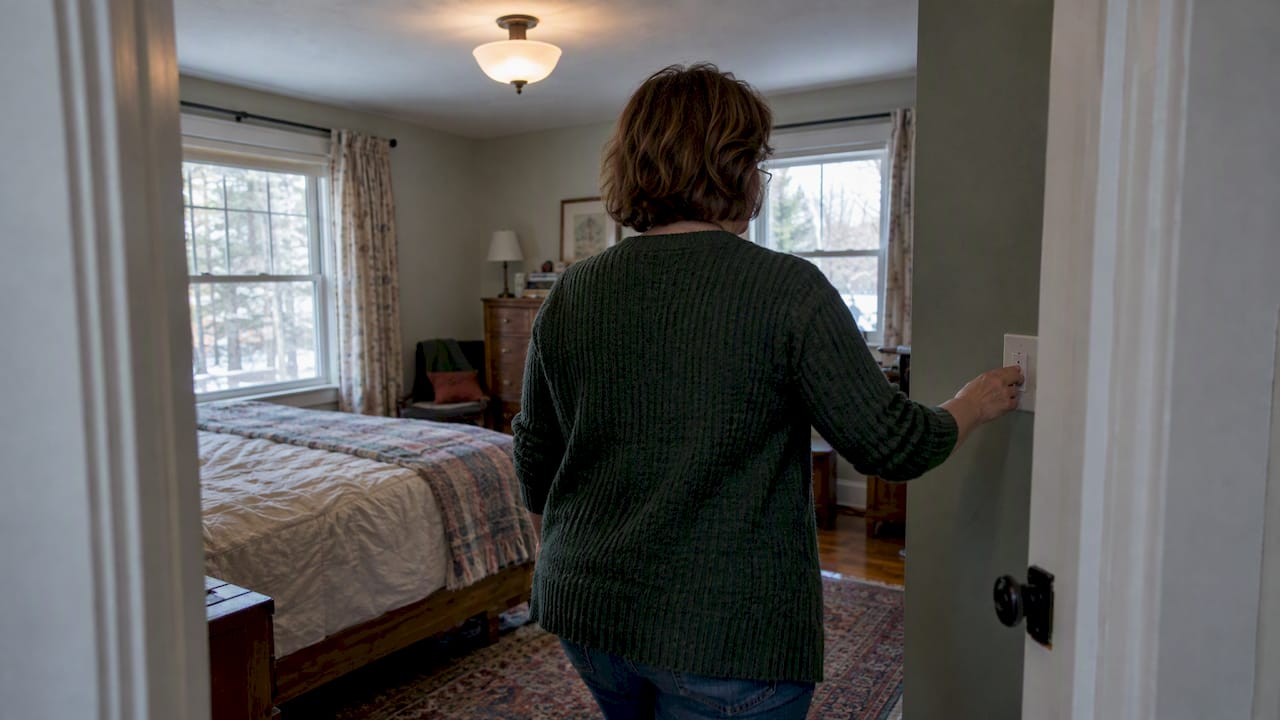
Occupied, vacant, or virtual: which staging fits your sale?
Each model suits a different situation, and the right pick depends on your timeline, budget, and price band.
- Occupied staging is a consultation plus edits to what you already own. It tends to be the best value when your furniture is neutral and in good shape, and local practitioners describe it as a buyer-focused reset: declutter, improve flow, add styled vignettes.
- Vacant staging means renting furniture and accessories for part or all of the home. Installs take several days, and rental fees accrue monthly, so a slow sale costs more.
- Virtual staging adds furnishings digitally to photos at a lower per-photo price. The catch: it does nothing for in-person showings, and some agents warn it can mislead viewers if it isn’t disclosed.
How do you choose a Maine stager?
Interview two or three stagers and compare written proposals side by side. Ask about:
- Services: in-person consult, same-day styling, partial or full vacant staging, virtual staging.
- Consult credit: whether the consultation fee applies toward full staging. Some Maine firms credit it when you book within about 30 days, as Merit + Pine does.
- Pricing model: flat consultation fee, square-footage tiers, or monthly furniture rental.
- Payment options: whether they offer deferred payment at closing.
- Proof: portfolio photos, references, and installs in your price band.
- Coordination: who works with your photographer, and when destaging happens.
Red flags include no written scope or estimate, a vague install date, and no references. When you negotiate, lock the install date, list the included accessories, and spell out destage terms.
Pro Tip: Ask each stager to propose the same room list so you can compare price and scope fairly.
If you’re staging a rental with tenants in place, this guide to selling with tenants covers the coordination.
What does staging cost in Maine, and is it worth it?
Budget in tiers. Occupied consultations run roughly $150–$600, and same-day styling costs vary by provider and scope. In Southern Maine, Merit + Pine lists a virtual strategy session at $150 and an in-home session at $275. Vacant whole-home staging starts around $2,500, plus monthly rental fees. Some firms, such as TS Staging & Design, offer pay-at-close programs that defer payment until the sale finalizes.
NAR’s profile reports a median of about $1,500 spent when sellers use a staging service, versus $500 when the agent stages, and some surveys show offers rising 1–5% for staged homes. Treat those as context, not a promise.
- Simple ROI math: expected lift × asking price − staging cost = potential net benefit.
- Illustrative example: estimate a potential lift by applying a plausible price change to your asking price, then subtract the staging cost. The result is uncertain, not a promised return.
- Sensitivity: a hot market or lower price band shrinks the lift. Maine’s April 2026 report shows a median sales price of $410,865 and a warming spring market, and our pricing guide helps you place your home in its band.
When should you schedule staging, photos, and destaging?
Timing mistakes delay listings, so work backward from your target list date.
- Book early: occupied consults can happen same day or within a day or two, while vacant installs usually take 3–10 days from contract.
- Pair photos with install: many sellers schedule the photographer for the same day the stager finishes.
- Allow enough time for a vacant install, and arrange destaging promptly after contract acceptance so the inventory returns.
- Factor in the Maine season: short winter daylight, snow, and busy contractor calendars all affect dates.
- Run the week-before checklist: final clean, lighting test, burned bulbs replaced, personal items hidden, thermostat set, and one styled vignette ready for the main shots.
If you’re moving out before the sale, our relocation checklist helps you line up move-out and install dates.
How does your listing agent help with staging?
A good listing agent takes the coordination off your plate: stagers, contractors, photographers, and destage schedules all run through one person. David Haydym is a licensed REALTOR® in Maine and offers data-driven pricing and availability beyond standard hours. That experience is why we can tell you which rooms deserve your budget before you spend it.
Agents can also request staging proposals on your behalf, so you compare scope and price without chasing three vendors, and they can help manage pay-at-close arrangements. Your next step: ask your agent for two staging proposals and confirm photographer availability before signing any staging contract. Pre-listing fixes matter too, so see our guide to vetting Maine home inspectors. For exterior shots, curb appeal landscaping shows the highest-return moves first.
Three staging wins that tend to sell Maine homes faster
Three changes show up again and again, and none needs a big budget.
- A neutralized primary bedroom: swapping loud bedding for plain linens lets buyers see the room, not your taste.
- Right-sized living room furniture: moving one oversized sofa out makes the room read bigger in photos.
- Decluttered kitchen counters: clear counters read as more workspace, and buyers notice.
Put your effort into the highest-impact rooms for your price band first, then stop. More decor rarely beats fewer, better choices.
— David
How we can help you get your Maine home staged and listed

We coordinate the whole process so you don’t have to manage it yourself:
- Local pricing guidance for your town and price band
- Guidance on staging consultations and proposals
- Guidance on coordinating photographer timing with your install date
Ready to start? Contact us about selling your home and we’ll set up a listing appointment.
FAQ
How much should I charge for staging a house?
Sellers don’t charge for staging; they pay for it, and costs vary by service. Consultations run about $150–$600, while vacant staging starts around $2,500 plus monthly rentals. Ask each stager for a written estimate.
Is staging a house really worth it?
It often is, especially for vacant, luxury, or small-room homes. NAR’s profile reports that staging helps buyers visualize the property. Results depend on your market and price band.
What are the current real estate trends in Maine?
The spring market is warming. Maine’s April 2026 housing report shows sales rising year over year and a statewide median price of $410,865.
What’s the best way to stage a house?
Start with the living room, primary bedroom, kitchen, and dining room. Declutter, depersonalize, scale furniture, and add fresh neutral linens and warm lighting. Hire a stager if the home is vacant.
Sources
- 2025 Profile of Home Staging
- Maine Home Staging Services | Merit + Pine
- Maine Home Staging | TS Staging & Design