If a Maine house was built before 1978, the seller or landlord must disclose known lead paint information and hand over the EPA’s pamphlet before the deal closes. Buyers get a 10-day window to inspect or test. Renters should ask for any past reports. If testing turns up a hazard, MaineHousing grant programs and EPA-certified contractors are the next call, but nobody should touch a wall with a scraper before approvals come through.
TL;DR:
- Most Maine homes built before 1978 require disclosure of known lead paint hazards, but testing and remediation are not mandated by law.
- The 10-day inspection window allows buyers to request records, hire a licensed assessor, and negotiate repairs or credits if lead hazards are found.
- Lead paint presence does not always mean a hazard; deterioration such as chipping or dust accumulation, especially in homes built before 1950, signals risk.
- landlords must give 30 days’ notice before renovation that disturbs painted surfaces in pre-1978 units, with fines for non-compliance.
- Certified inspectors and EPA-approved contractors are essential for reliable testing and lead-safe repairs, and MaineHousing offers grants for remediation costs.
Table of Contents
- What Federal and Maine Law Require Sellers and Landlords to Disclose
- When Does Lead Paint Actually Become a Hazard?
- How Should Buyers Use Their 10-Day Inspection Window?
- What Are Maine Landlords Required to Do Before Repairs?
- How Do You Test for Lead and Find a Certified Contractor?
- What Remediation Funding Does MaineHousing Offer?
- A Practical Checklist Before You List, Buy, or Rent
- A Maine Realtor’s Quick Perspective on Protecting Clients and Closing Safely
- Let RealtorMaine Coordinate the Paperwork While You Focus on the Move
- Sources
- FAQ
What Federal and Maine Law Require Sellers and Landlords to Disclose
The rule that actually governs most lead paint Maine real estate transactions comes from the federal government, not Augusta. Under the Lead-Based Paint Disclosure Rule, anyone selling or leasing housing built before 1978 must disclose known lead-based paint hazards, hand over any existing test records, and give buyers a copy of “Protect Your Family from Lead in Your Home.” Buyers then get a 10-day opportunity to inspect or test for lead, though both sides can shorten, extend, or waive that window in writing.
Maine layers its own requirement on top through 14 MRSA §6030-B, which mainly targets landlords doing repair work. It requires 30 days’ notice before any renovation that disturbs painted surfaces in pre-1978 rental units, a detail that catches a lot of small landlords off guard.
Here’s what trips people up most often:
- Assuming disclosure means the paint has been tested. It hasn’t. It means the owner reported what they already know.
- Skipping the pamphlet requirement because “everybody already knows about lead paint.” The pamphlet is a mandatory document, not optional context.
- Believing disclosure obligates removal. It does not. The federal rule requires disclosure and an inspection opportunity, nothing more. Remediation is a separate negotiation.
Records from disclosures need to be kept for at least three years, and agents who skip this step expose their clients to real liability.
When Does Lead Paint Actually Become a Hazard?
Here’s a distinction that surprises a lot of buyers: having lead paint in a house is not the same as having a lead hazard. Maine DEP is explicit that hazard status depends on condition, not presence, and more than half of Maine’s older housing stock likely contains lead paint somewhere without posing an active risk.
A hazard shows up as:
- Peeling, chipping, or chalking paint on any interior or exterior surface
- Lead dust settling on floors, windowsills, or other surfaces children touch
- Contaminated soil near a home’s foundation, especially where exterior paint has shed over decades
Homes built before 1950 carry the highest risk, particularly around windows, doors, and stair rails, where friction wears paint down fastest. If you suspect a problem before a formal inspection, wet mopping instead of dry sweeping, keeping kids away from window troughs, and covering exposed soil with mulch are reasonable interim steps. None of that replaces a real assessment, but it buys time.
How Should Buyers Use Their 10-Day Inspection Window?
The 10-day period is a right, not an obligation, and plenty of buyers waive it without understanding what they’re giving up. Here’s how to use it well instead:
- Request records before you request an inspection. Ask the seller or listing agent for any past lead tests, abatement reports, or contractor invoices tied to painted surfaces. These often exist even when nobody mentions them upfront.
- Hire a licensed risk assessor within the window, not after. Once the 10 days close (or you sign a waiver), your leverage in the transaction drops considerably.
- Tie results to your contract, not a verbal promise. If lead dust or deteriorated paint turns up, negotiate a credit, a price adjustment, or an escrow holdback tied to a certified abatement quote and a specific completion date, rather than accepting “the seller will handle it” as a closing condition.
- Extend the timeline in writing if testing runs long. Certified inspectors sometimes need lab turnaround time beyond a week; both parties can agree to push the closing date rather than rush a rushed test.
Renters have a lighter version of this same right: they can’t demand a 10-day inspection period, but they can and should request the pamphlet and any existing reports before signing a lease.
What Are Maine Landlords Required to Do Before Repairs?
Maine’s 30-day notice rule under 14 MRSA §6030-B applies whenever a landlord plans repair, renovation, or remodeling work that will disturb painted surfaces in a pre-1978 rental unit. Tenants must receive written notice at least 30 days ahead, though the law allows a signed, state-prescribed waiver if both sides agree to shorter timing.
Skipping this step carries real cost: landlords who violate the notice requirement can be liable for actual damages or $100, whichever is greater, plus attorney’s fees. That’s a cheap mistake to avoid.
- Add lead-safe language directly into lease agreements, not as a separate handout tenants might lose.
- Conduct a visual inspection for deteriorating paint annually, since dust from lead paint is the leading cause of lead poisoning in Maine according to Maine CDC.
- Document every notice sent and every inspection completed, even when nothing is found.
Pro Tip: Keep a simple annual log with dated photos of window sills, door frames, and stairwells. If a dispute ever surfaces, that log is worth more than your memory.
How Do You Test for Lead and Find a Certified Contractor?
Skip the hardware store test kit. The EPA and consumer safety regulators have flagged these kits as unreliable for anything beyond a rough first guess, and they recommend certified inspectors or NLLAP-recognized labs for a result you can actually act on. Professional testing typically uses an XRF analyzer for on-site readings or lab-based chip analysis for painted surface samples, both far more reliable than a home swab test.
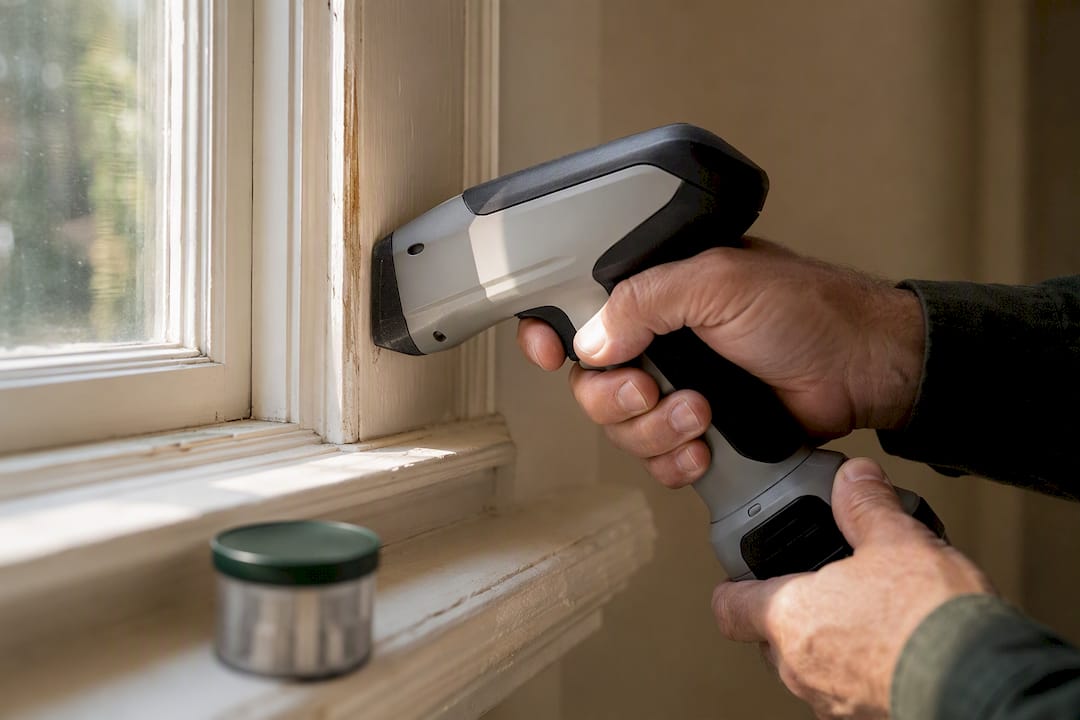
Once a hazard is confirmed, hiring EPA-certified contractors who follow lead-safe work practices is essential because who can touch it matters. Under the EPA RRP Rule, any firm paid to renovate, repair, or paint in pre-1978 housing must be EPA-certified and use certified renovators trained in lead-safe work practices. This kicks in once a project disturbs more than 6 square feet of interior surface or 20 square feet outside, and yes, that includes ordinary window replacement.
Before hiring anyone:
- Ask for their EPA firm certification number directly, not just a verbal assurance
- Confirm the individual doing the work holds a renovator certification, not just the company
- Verify that dry sanding and open-flame burning, both prohibited under RRP, aren’t part of their plan
What Remediation Funding Does MaineHousing Offer?
Testing confirms a problem, but fixing it costs money, and that’s where MaineHousing’s remediation grants come in. Owner-occupied single-family homes may qualify for substantial remediation grants, while rental units may receive lower per-unit funding under various program components. Caps and eligibility vary by program. Caps and eligibility shift depending on the specific funding stream, so confirming current terms with your local Community Action Agency (CAA) matters more than trusting a number you read somewhere online.
Priority typically goes to households with young children and to applicants at or below program income thresholds. Rental projects usually come with affordability commitments attached to the unit for a set period afterward.
- Never start remediation work before your CAA issues formal approval. Doing so can void your eligibility for reimbursement entirely.
- A licensed inspector’s documented hazard finding is usually required before a CAA will process an application.
- Gather contractor quotes, inspection reports, and proof of ownership or lease status ahead of your CAA appointment to avoid a second trip.
A Practical Checklist Before You List, Buy, or Rent
Every transaction runs smoother when the paperwork exists before someone asks for it. Sellers should keep disclosure forms, prior test results, and any abatement invoices in one folder, not scattered across old emails. Buyers should request that folder before waiving their inspection window, not after.
- Ask for disclosures, prior lead tests, and abatement records at the listing review stage
- Draft contingency language around a certified abatement quote and a firm deadline, not a vague promise
- Coordinate inspector scheduling early since lab turnaround can stretch a closing timeline by a week or more
- Confirm CAA approval status before any remediation work begins if grant funding is involved
Pro Tip: Loop your closing attorney and your CAA contact into the same email thread early. Lead-related approvals move faster when everyone sees the same timeline at once.
A Maine Realtor’s Quick Perspective on Protecting Clients and Closing Safely
The paperwork around lead paint scares people more than it should, mostly because they picture removal costs before they’ve even confirmed a hazard exists. In practice, most delays come from skipped documentation, not the lead itself. A local agent who knows which CAA to call and which inspector answers the phone quickly can shave weeks off a stalled closing. If you’re staring down a lead disclosure and don’t know your next move, talk to someone who handles this regularly.
— David
Let RealtorMaine Coordinate the Paperwork While You Focus on the Move
An experienced local Realtor can coordinate these steps for Maine buyers, sellers, and landlords, reducing the burden of chasing inspector availability, tracking approval windows, and drafting contingency language alone.

An experienced Realtor reviews disclosure documents, connects clients with certified inspectors, and negotiates repair credits or escrow holdbacks to help prevent lead findings from delaying closings. Such coordination is important in Maine’s older housing stock, particularly in areas where pre-1978 homes are common and timelines are tight. Whether you’re buying a home or navigating a lead disclosure as a seller, start the conversation with RealtorMaine before your inspection window closes.
This article is general information, not a substitute for advice from a qualified doctor. Consult a qualified healthcare professional about your own circumstances before acting on anything here.
Sources
- Lead-based paint disclosure rule (Section 1018 of Title X) — EPA
- 14 MRSA §6030-B — Environmental lead hazards (Maine Legislature)
- Lead paint remediation — MaineHousing
- Lead Hazard Prevention — Maine Department of Environmental Protection
FAQ
Can You Sell a House If It Has Lead Paint?
Yes. Federal law doesn’t require removal before a sale, only disclosure of known lead information and a 10-day inspection opportunity for the buyer. Many pre-1978 Maine homes sell with lead paint present and no remediation required, as long as disclosure happens correctly.
What Are the Laws in Maine Regarding Lead Paint?
Maine layers 14 MRSA §6030-B on top of federal disclosure rules, requiring landlords to give 30 days’ notice before repairs that disturb painted surfaces in pre-1978 rentals. Noncompliance can mean liability for actual damages or $100, plus attorney’s fees.
Does a Realtor Have to Disclose Lead Paint?
Realtors and their clients must disclose known lead-based paint information and provide the EPA pamphlet for any pre-1978 property, per the federal disclosure rule. A real estate agent handles this documentation as a standard part of listing and buying older Maine homes.
Does Homeowners Insurance Cover Lead Paint Removal?
Most standard homeowners policies exclude lead paint remediation as a covered peril, treating it as a maintenance issue rather than sudden damage. Homeowners facing a confirmed hazard should look instead toward MaineHousing’s remediation grants, which can cover up to $30,000 for owner-occupied homes depending on eligibility.