
Lewiston works best for Portland commuters, first-time buyers, and remote workers who want real square footage for real money and can handle a serious winter. The median home value sits around $250,000, and Portland is roughly 35 to 45 minutes down the turnpike. The trade-offs: a local job market still catching up to housing demand, and a heating season that runs from November into April.
TL;DR:
- Lewiston’s housing market remains affordable with a median home value of around $250,000, but prices can be higher for downtown lofts and renovated mill buildings.
- Buyers planning to stay at least three years should consider purchasing to build equity, while renters benefit from flexibility if testing neighborhoods or on short-term contracts.
- The city’s older homes require careful inspection of heating systems, roofs, and foundations, with budget considerations for mechanical repairs within the first two years.
- Commuters to Portland face a 30 to 45-minute drive, so remote work or local job opportunities in healthcare, education, and manufacturing influence housing choices.
- Winters are long and cold, demanding winterizing, snow removal, and winter tires, with heating costs significantly impacting annual expenses.
Table of Contents
- Living in Lewiston, Maine: The Numbers Newcomers Ask About First
- What Does Housing Actually Cost in Lewiston?
- Which Lewiston Neighborhood Fits Your Lifestyle?
- What’s the Job Market and Commute Really Like?
- How Do Lewiston Public Schools and Family Services Stack Up?
- What Makes Lewiston’s Community and Daily Life Distinct?
- How Bad Are Lewiston Winters, Really?
- What’s the Moving Timeline and Checklist for Lewiston?
- What Do Local Buyers Actually Negotiate Over in Lewiston?
- Is Lewiston the Right Move for You?
- How RealtorMaine Helps You Navigate a Lewiston Move
- Where These Lewiston Facts Come From
- Sources
Living in Lewiston, Maine: The Numbers Newcomers Ask About First
Lewiston’s population is estimated at 38,866 as of July 1, 2025, making it Maine’s second largest city after Portland. That number has held steady for years, which tells you something: this isn’t a boomtown, but it isn’t emptying out either.
Housing costs remain the headline. The median home value is approximately $250,000, and median gross rent runs close to $986 a month. Compare that to Portland, where the same budget buys a fraction of the space, and you start to see why Lewiston shows up on so many relocation shortlists.
Roughly 51.2% of housing units are owner-occupied, with the rest split among renters in older triple-deckers, newer apartment conversions, and a handful of single-family rentals. The city’s racial composition is about 77.9% White alone, 13.9% Black or African American alone, and 5.2% two or more races, reflecting a long-established Somali community that the 2020 Census counted at more than 1,200 residents.
Quick facts at a glance:
- Population: 38,866 (2025 estimate)
- Median home value: approximately $250,000
- Median gross rent: approximately $986/month
- Owner-occupied housing rate: about 51.2%
- Racial makeup: 77.9% White, 13.9% Black/African American, 5.2% two or more races
The median monthly cost for owners still carrying a mortgage runs around $1,546, a figure worth remembering when you’re comparing rent versus buy math later.
What Does Housing Actually Cost in Lewiston?
A $250,000 median home value doesn’t mean every listing lands there. Downtown mill lofts with exposed brick and 12-foot ceilings often price above that mark because of their finished-square-footage premium. Classic triple-deckers, the three-story multi-family homes that define much of Lewiston’s older housing stock, tend to price below it, especially when they need cosmetic work. Capes and small ranches in the outer neighborhoods sit closest to the median.

Rent has stayed comparatively low, with median gross rent near $986 a month, but that figure is starting to move. Multiple local guides describe a downtown revival driven by mill-building conversions and new restaurants that’s pulling in buyers who want city amenities without Portland’s coastal prices. That revival is also the reason agents keep telling clients not to wait too long: the affordability gap between Lewiston and Portland has been narrowing for several years, and each round of downtown investment tends to nudge asking prices up the following season.
Here’s how the buy versus rent decision typically breaks down for newcomers:
- Buy if you plan to stay three-plus years, want to build equity while prices are still reasonable, and can handle an older home’s maintenance rhythm.
- Rent if you’re testing out a neighborhood, working a contract job, or need flexibility before committing to a mortgage.
- Either way, budget for Maine’s cold-climate maintenance cycle. Heating systems, roofs, and foundations age faster here than in milder states.
Owner-occupied housing sits at roughly half the market, which means plenty of triple-deckers and larger homes are still investor-owned rentals. That matters if you’re house hunting in the Tree Streets or near downtown, where you’ll compete with landlords looking to add to their portfolios.
Pro Tip: When you tour an older Lewiston home, ask for the boiler’s install date before you ask about the kitchen. A furnace or boiler nearing the end of its life is a five-figure negotiation lever, and sellers rarely volunteer that number unprompted.
Inspection priorities in Lewiston skew toward three things: heating system age and condition, roof integrity (ice dams take a toll over a Maine winter), and foundation drainage, since many homes here were built before modern grading standards. A comparative look at how listing photos shape buyer expectations is worth a glance if you’re touring homes remotely and relying on photos to build your shortlist. First-time buyers should also look into financing paths early. FHA loans with 3.5% down frequently make more sense than conventional financing for buyers without a large down payment saved, particularly on Lewiston’s older housing stock where conventional lenders sometimes balk at deferred maintenance.
Which Lewiston Neighborhood Fits Your Lifestyle?
Where you land in Lewiston changes your daily life more than almost any other decision you’ll make.
The Bates Mill District and downtown core suit buyers who want walkability. Converted mill lofts, new restaurants, and a growing nightlife scene make this the pick for younger buyers or anyone who wants to ditch a second car. Street parking can be tight, and foot traffic picks up on weekend evenings.
The Tree Streets, named for their leafy names like Elm, Pine, and Oak, offer classic single-family homes and quieter blocks. This is where a lot of relocating families land, drawn by proximity to elementary schools and a slower pace than downtown.
Kennedy Park and the surrounding blocks trade some polish for affordability. You’ll find some of the city’s most accessible entry-level pricing here, along with a tight-knit, long-term resident base. It’s not the neighborhood for buyers chasing curb appeal, but it’s often the neighborhood that gets first-time buyers into homeownership at all.
Some practical notes worth weighing neighborhood by neighborhood:
- Downtown and the Mill District: best walkability, tightest parking, most nightlife noise.
- Tree Streets: best school proximity, most family foot traffic, lower crime concerns reported by residents.
- Kennedy Park area: lowest price points, more variable housing condition, strong sense of community.
- Auburn, across the Androgin River, is worth considering if you want a slightly more suburban feel with similar commute times to Portland. Many relocators cross-shop both cities before settling.
Safety varies block by block more than it does neighborhood by neighborhood, so walk any street you’re seriously considering at two different times of day before you make an offer.
What’s the Job Market and Commute Really Like?
Lewiston’s economy runs on healthcare, education, and manufacturing, with Central Maine Medical Center and Bates College anchoring a meaningful share of local employment. Small manufacturers and regional businesses fill out the rest, but the honest truth is that the highest-paying professional roles, especially in finance, tech, and specialized corporate work, cluster in Portland.
That’s why so many Lewiston residents commute. The drive to downtown Portland typically runs 30 to 45 minutes depending on traffic and where in Portland you’re headed, which puts Lewiston squarely in range for a daily commute without the Portland price tag.
A few things to plan around before you commit to the commute:
- Remote work changes the math entirely. If your job is fully remote, Lewiston’s affordability advantage over Portland stops costing you anything in commute time.
- Parking in Portland can add real time and cost to your commute; factor in a garage fee or a longer walk from a free lot.
- Local job hunting works best through healthcare systems, Bates College postings, and the manufacturing employers that dot the Auburn/Lewiston industrial corridor.
- Turnpike tolls add up over a year of daily commuting, so build that into your true cost-of-commute calculation, not just gas.
If your household has one Portland earner and one local or remote earner, Lewiston tends to make financial sense almost automatically.
How Do Lewiston Public Schools and Family Services Stack Up?
Families relocating with kids will work primarily with Lewiston Public Schools, which runs Lewiston High School, Lewiston Middle School, and several elementary schools spread across the city’s neighborhoods. The district also operates the Lewiston Regional Technology Center, a career and technical education option for high schoolers interested in trades, healthcare pathways, or applied sciences instead of a strictly college-prep track.
Adult education programs run through the same district infrastructure, which matters if a relocating parent wants to finish a credential or pick up new job skills after the move.
Steps for enrolling kids after a move:
- Check your address against Lewiston Public Schools’ attendance zones before you finalize a home purchase.
- Gather prior school records, immunization documentation, and proof of residency.
- Contact the district’s enrollment office directly to confirm start dates and any placement testing.
- Ask about after-school care options early. Slots fill fast in the fall.
Families moving mid-year should expect a short adjustment window for transcript transfers, especially from out-of-state districts with different grading systems.
What Makes Lewiston’s Community and Daily Life Distinct?
Lewiston’s cultural identity runs deeper than most newcomers expect. The city’s Franco-American heritage, documented in resources like the Franco-American Collection at the University of Southern Maine, shaped generations of mill-town life and still shows up in local parish names, family surnames, and neighborhood traditions. Layered on top of that is a substantial Somali community, one of the largest in Maine, that has reshaped downtown’s restaurant scene and small business corridor over the past two decades.
Downtown dining now spans French-Canadian diner staples, East African cuisine, and a growing crop of newer restaurants riding the mill-conversion wave. Bates College adds a steady calendar of lectures, art shows, and athletic events open to the public, which gives the city a college-town energy despite its blue-collar roots.
For healthcare, Central Maine Medical Center serves as the region’s anchor hospital, handling everything from emergency care to specialty referrals for a wide swath of central Maine.
Outdoor life centers on the Androscoggin River. A few staples worth knowing:
- The Riverwalk and adjacent trail system offer easy running and biking routes right off downtown.
- Lake Auburn and nearby ponds provide summer swimming and fishing within a short drive.
- Local farmers markets run seasonally and have become a genuine community gathering point, not just a shopping errand.
How Bad Are Lewiston Winters, Really?
Winters here run long. Expect meaningful cold and snow from November through early April, with the coldest stretch typically hitting January and February. This isn’t a one-storm-and-done climate. It’s a season you plan your whole year around.
Budget-wise, plan for heating fuel costs, snow removal (either your own equipment or a plow contract), and periodic winterizing tasks like sealing drafts and checking pipe insulation in unheated crawl spaces. Older Lewiston homes, especially triple-deckers and pre-war capes, often have inconsistent insulation by modern standards, so factor a possible insulation upgrade into your first-year budget.
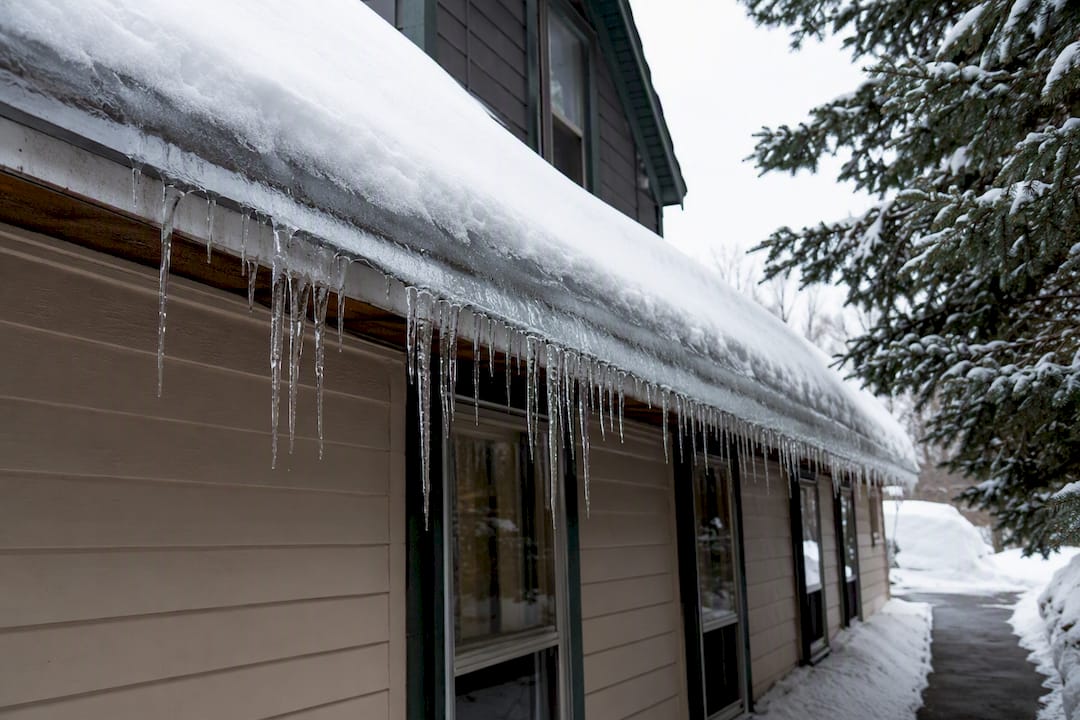
When touring homes in winter, prioritize inspecting the heating system’s age and service history, roofline for ice dam damage, and window seals for drafts. A home that looks fine in July can reveal a lot of gaps in January.
Pro Tip: Ask any Lewiston seller for their last two winters’ heating bills, not just a general estimate. Actual usage data tells you far more about a home’s real efficiency than a listing description ever will.
For driving, all-season tires won’t cut it. Budget for winter tires and keep an emergency kit in the car from November through March, since black ice and sudden squalls off the river valley catch newcomers off guard every year.
What’s the Moving Timeline and Checklist for Lewiston?
Late spring through early fall is the easiest window to move into Lewiston. Movers are easier to book, home inspections aren’t complicated by snow cover, and you avoid the logistics headache of a winter move entirely. If you must move between December and March, book movers well in advance and confirm they have experience navigating narrow, snow-narrowed downtown streets.
Moving timeline:
- Sixty days out: book movers, start utility transfer paperwork, and confirm your closing date if buying.
- Thirty days out: set up electricity, heat/fuel provider, and trash service through the city.
- Two weeks out: register to vote locally and update your driver’s license if relocating from out of state.
- Move week: confirm internet installation and finalize any storage unit needs if your closing and move dates don’t align.
Budget checklist beyond the purchase price:
- Closing costs, typically 2% to 5% of the purchase price for buyers.
- First month’s utilities, heat provider setup, and any security deposits if renting temporarily.
- Moving company fees or truck rental plus fuel.
- Winterizing costs if you’re closing in fall or winter.
The City of Lewiston’s official relocation page walks newcomers through municipal contacts for utilities, registration, and city services, and it’s worth bookmarking before your move date.
What Do Local Buyers Actually Negotiate Over in Lewiston?
Twenty years of selling homes across central and southern Maine, and over 50 closings later, the pattern in Lewiston is consistent: buyers who win negotiations are the ones who inspect first and ask questions second.
The most common negotiation items are boiler and furnace age, roof condition after Maine winters, and foundation drainage. Buyers should plan for at least one targeted mechanical repair in their first two years of ownership, based on how these older homes typically age.
Inspectors frequently flag heating-system age, roof wear, and foundation drainage as the top three items worth negotiating on in Lewiston’s older housing stock. Buyers who budget for one mechanical repair or upgrade in year one or two are rarely caught off guard.
For out-of-state buyers, a few logistics matter more than they might expect:
- Line up Maine-licensed inspectors early; scheduling gets tight in peak buying season.
- Confirm your lender is familiar with FHA guidelines on Maine’s older housing stock.
- Get flood zone and well/septic documentation before you’re deep into a purchase agreement.
Is Lewiston the Right Move for You?
The people I see thrive here fall into a pretty clear pattern: they want more house for their money than Portland offers, they don’t mind driving 35 minutes for a bigger paycheck, and they’re not expecting a coastal postcard. The ones who struggle are usually chasing a Portland lifestyle at Lewiston prices without accounting for the commute or the winter. If you’re weighing a move, the smartest first step isn’t scrolling listings online. It’s walking a few neighborhoods in person, in different weather, before you fall for a photo.
— David
How RealtorMaine Helps You Navigate a Lewiston Move
You get local expertise that helps you navigate listings from out of state, guided by experience in Maine real estate closings and knowledge of key home factors affecting price.

The local market includes varied housing types in Lewiston, where prices can vary significantly based on property condition. For buyers financing their purchase or buying from out of state, responsive local support can be a key advantage in competitive situations. If you’re ready to start touring homes or want a straight answer on what your budget actually buys in Lewiston right now, reach out to David Haydym and get a local market read before you make an offer.
Where These Lewiston Facts Come From
The population, housing, and demographic figures in this guide come primarily from the U.S. Census Bureau’s QuickFacts page for Lewiston, which updates population and housing estimates regularly. School information comes directly from Lewiston Public Schools, and moving logistics guidance draws on the City of Lewiston’s relocation page.
- U.S. Census Bureau QuickFacts: Lewiston city, Maine
- City of Lewiston relocation resources
- Lewiston Public Schools
- The Maine Real Estate Journal market notes
Sources
- U.S. Census Bureau QuickFacts: Lewiston city, Maine
- Interested in Relocating to Lewiston? | City of Lewiston
- Lewiston Public Schools